Sewing Thread Product Mixes Are Becoming More Application-Specific
Industrial buyers are increasingly treating sewing thread as a performance component rather than a generic consumable. A single general-purpose thread may work across many operations, but expanding fabric types, seam expectations, production speeds, and finishing processes are encouraging more application-specific product mixes.
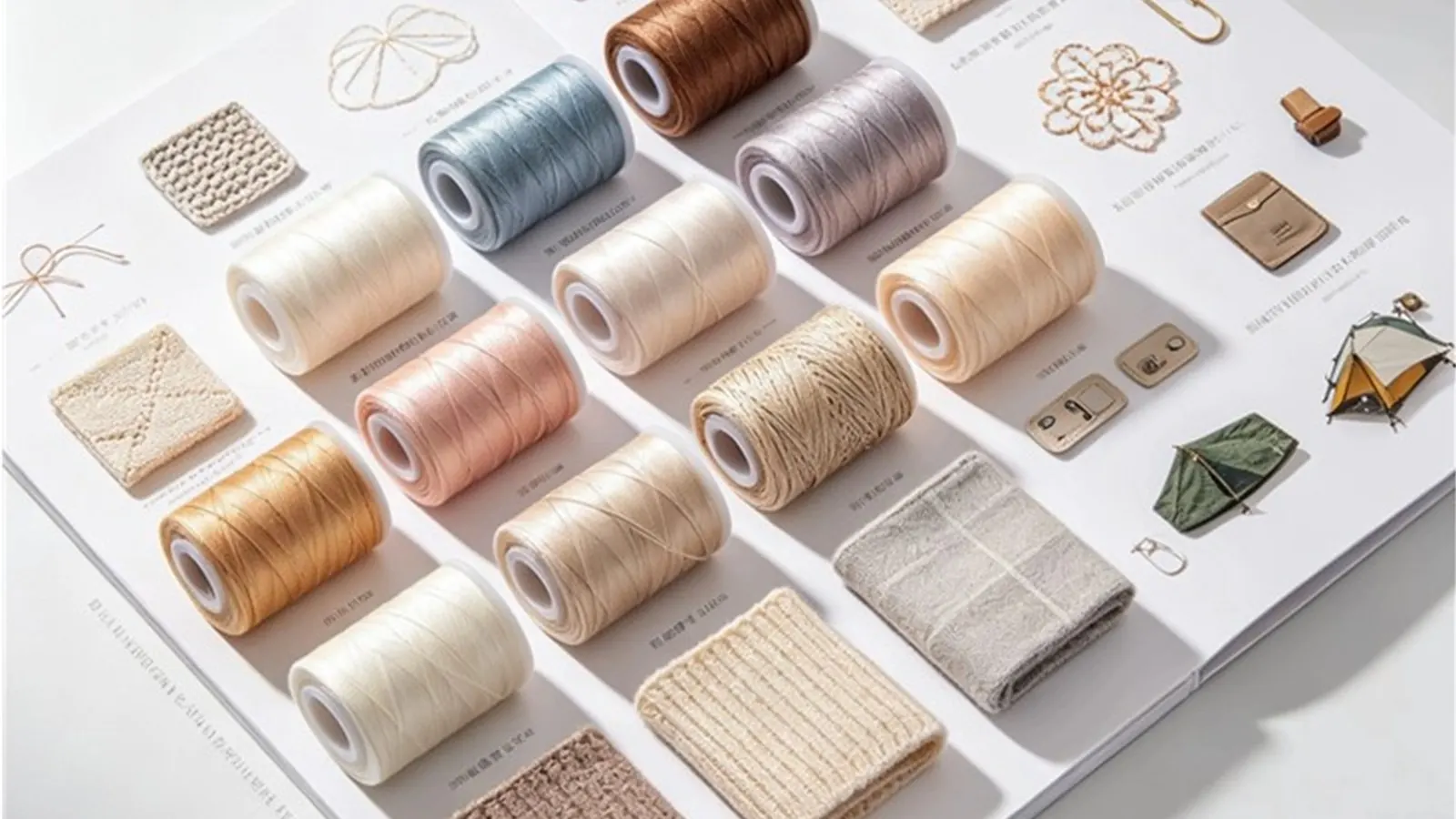
One Thread Construction Cannot Optimize Every Seam
General garment assembly often prioritizes balanced sewability, color flexibility, and cost control. Heavy luggage or footwear seams may place more emphasis on strength and abrasion resistance. Elastic knitted seams need thread behavior that works with fabric extension, while garment-dyed products can introduce fiber and color-response questions.
These differences do not mean every operation needs a unique SKU. They mean buyers should group operations by seam demand and select a manageable set of constructions that covers those groups. The goal is a controlled portfolio, not unnecessary complexity.
Four Forces Behind More Specialized Assortments
- Material diversity: Stretch knits, coated fabrics, lightweight synthetics, cotton-rich goods, and multilayer assemblies behave differently under a needle.
- Production speed: Faster machines place greater attention on feeding, heat, friction, twist balance, and package consistency.
- End-use performance: Seams may face washing, abrasion, outdoor exposure, extension, or load-bearing demands.
- Brand appearance: Stitch definition, luster, color match, and visibility may be part of the product design.
A Practical Portfolio Framework
| Need | Construction direction to evaluate | Confirm by testing |
|---|---|---|
| General apparel | Spun polyester | Needle, tension, seam appearance, wash result |
| Heavy-duty seams | High-tenacity polyester filament | Seam strength, abrasion, material damage |
| Elastic seams | High-stretch nylon or polyester textured thread | Extension, recovery, heat and stitch balance |
| Natural-fiber or dye-process requirements | Cotton or approved compatible construction | Dye response, shrinkage, seam strength |
| Low-visibility stitching | Monofilament option where suitable | Hand, transparency, abrasion and end-use fit |
How Buyers Can Control SKU Growth
Start with the highest-volume seam operations and document the approved thread, size, needle, stitch type, and machine settings. Consolidate colors where design permits, and avoid carrying multiple constructions that solve the same problem without measurable benefit. Each new thread should have a clear application owner and an approval record.
Sampling should use representative fabric stacks and finishing conditions. A cone that looks acceptable in isolation may behave differently after sewing, washing, dyeing, stretching, or abrasion. Production trials also help identify whether the issue belongs to the thread, needle, tension, machine maintenance, or seam design.
What to Send a Supplier for Selection Support
- Product type and end-use environment
- Fabric composition, weight, finish, and number of layers
- Seam type, stitch density, and visual requirement
- Current thread sample or specification
- Needle and machine information
- Color list and shade standard
- Required cone format, order quantity, packaging, and destination
Buyer FAQ
Should a factory use one thread for all apparel?
Not automatically. A core general-purpose thread can cover many operations, but specialized seams should be evaluated separately.
Does stronger thread always make a stronger product?
No. Seam strength also depends on fabric, needle damage, stitch type, stitch density, and construction.
When is textured thread useful?
It is commonly evaluated where softness, coverage, or seam extension is important, particularly in selected overlock and coverstitch operations.
How can distributors avoid excessive inventory?
Build a core range around common applications, then develop specialized constructions against confirmed customer demand.
What should be approved before switching constructions?
Approve the sewn result, machine behavior, color, package format, and any relevant post-sewing tests.
Develop an Application-Based Thread Range
Review options including spun polyester thread, high-tenacity polyester filament thread, and the full Product Center. For a sourcing review, send the application, fabric, seam, current thread, color list, estimated quantity, packaging, destination, and required timing through Contact Us.