
Automation in Sewing Thread Packaging: What Bulk Buyers Should Watch
Packaging automation is becoming more visible in sewing thread supply chains because buyers are ordering more colors, cone formats, labels, and carton configurations. Equipment can improve repeatability, but it does not replace a written packing specification. Importers should evaluate what the line controls, how exceptions are handled, and how the packed goods are tied back to the approved order.
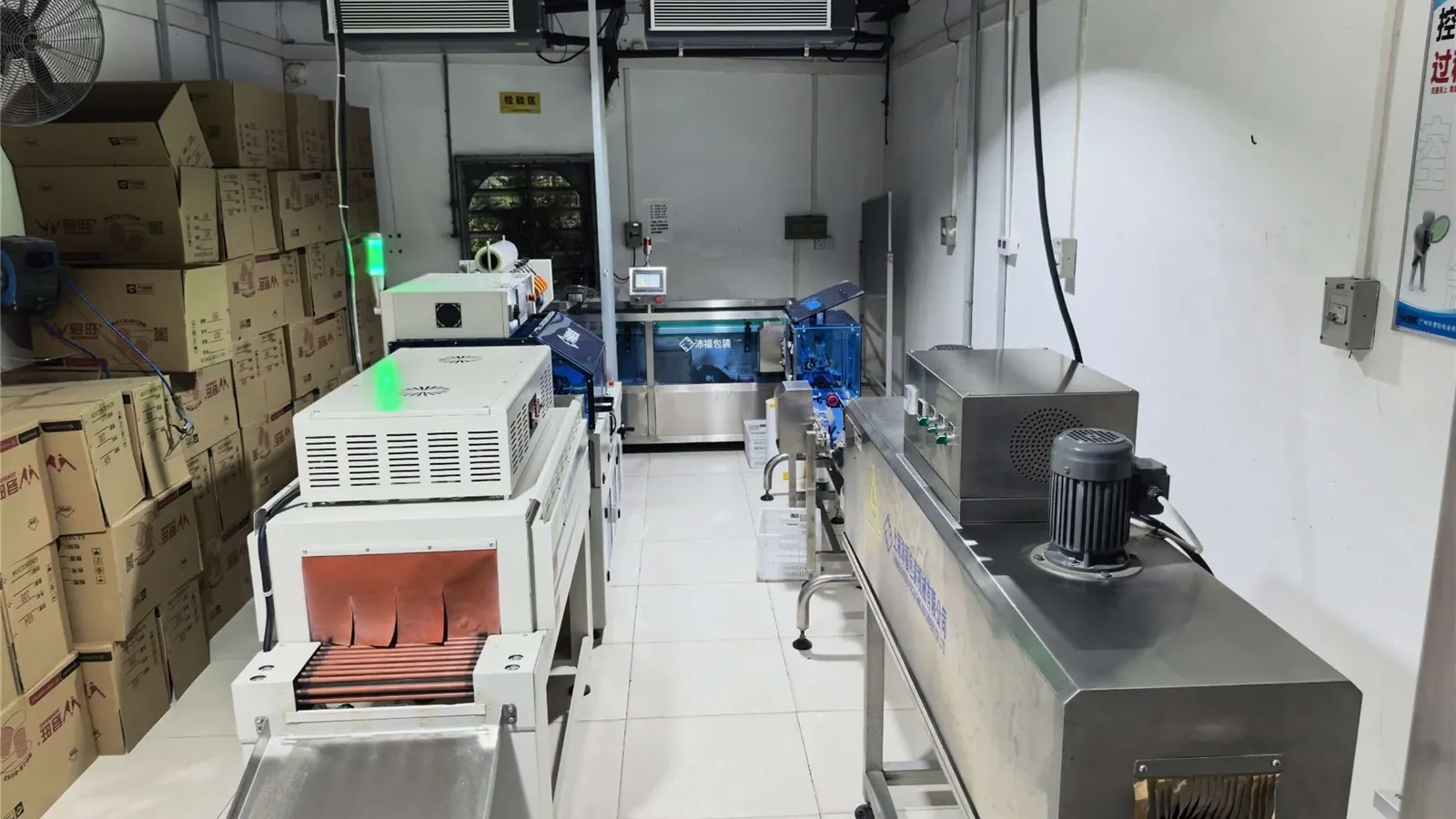
Why Packaging Automation Is Getting More Attention
A bulk thread order may include multiple shades, ticket sizes, cone weights, label versions, and destination marks. Manual packing can handle this variety, but the risk of mixing or counting errors rises as the number of stock-keeping units grows. Automated and semi-automated equipment can standardize selected steps such as wrapping, conveying, labeling, counting, and sealing.
The important distinction is between automation and control. A machine may repeat a task consistently, yet the result can still be wrong if the input label, carton setup, or product routing is incorrect. Buyers should therefore review the complete process rather than treating equipment alone as proof of packing accuracy.
Five Controls Buyers Should Verify
- Package identity: Each cone or spool should remain traceable to the product, shade, size, and order line.
- Quantity basis: Confirm whether the commercial unit is pieces, net weight, gross weight, or length and how cartons are checked.
- Protection: Inner wrapping should protect winding surfaces from dust, moisture exposure, abrasion, and handling damage appropriate to the route.
- Carton marks: Define item code, shade, lot or batch reference, carton number, quantity, and destination information before production.
- Exception handling: Ask what happens when a label is unreadable, a package is rejected, or the line is stopped and restarted.
Automation Does Not Eliminate Pre-Shipment Inspection
A useful inspection plan should sample finished cartons and compare them with the approved packing sheet. Checks can include cone appearance, wrapping, label content, piece count, net and gross weight, carton condition, and shipping marks. For mixed-color orders, the inspection should also confirm assortment and carton sequencing.
Photographs of sealed cartons are helpful, but they should supplement—not replace—documented checks. Buyers who need barcodes or retailer-specific labels should provide artwork, data rules, placement, and scan requirements early enough for a packing trial.
What to Include in a Packaging Specification
| Area | Buyer information to define |
|---|---|
| Unit pack | Cone or spool type, inner wrap, label position, quantity basis |
| Carton | Pieces per carton, assortment, dimensions, gross-weight limit |
| Identification | SKU, shade, lot reference, barcode, carton sequence |
| Shipping | Pallet preference, handling marks, destination, transport mode |
Buyer FAQ
Does automated packing guarantee the correct quantity?
No. Equipment can improve repeatability, but buyers should still define the counting method and require finished-carton verification.
Should every cone have a label?
That depends on the distribution model. Factory-consumption orders may use simpler identification, while wholesale or private-label programs often require unit labels.
Can different colors share one carton?
Yes, if the assortment and separation method are approved. Mixed cartons should be clearly marked to avoid receiving errors.
What should be approved before bulk packing?
Approve the unit pack, label artwork, carton mark, quantity basis, and a representative packed sample when the program is new.
Is palletization always necessary?
No. The choice depends on carton strength, loading method, route, warehouse handling, and buyer requirements.
Prepare a More Reliable Packing Brief
When requesting a quotation, send the thread type, cone format, quantity by color, unit label, carton assortment, barcode requirements, shipping marks, destination country, and preferred transport method. Review related options in the Product Center or submit the final packing brief through Contact Us.