How to Select Sewing Thread Size, Construction, and Cone Format
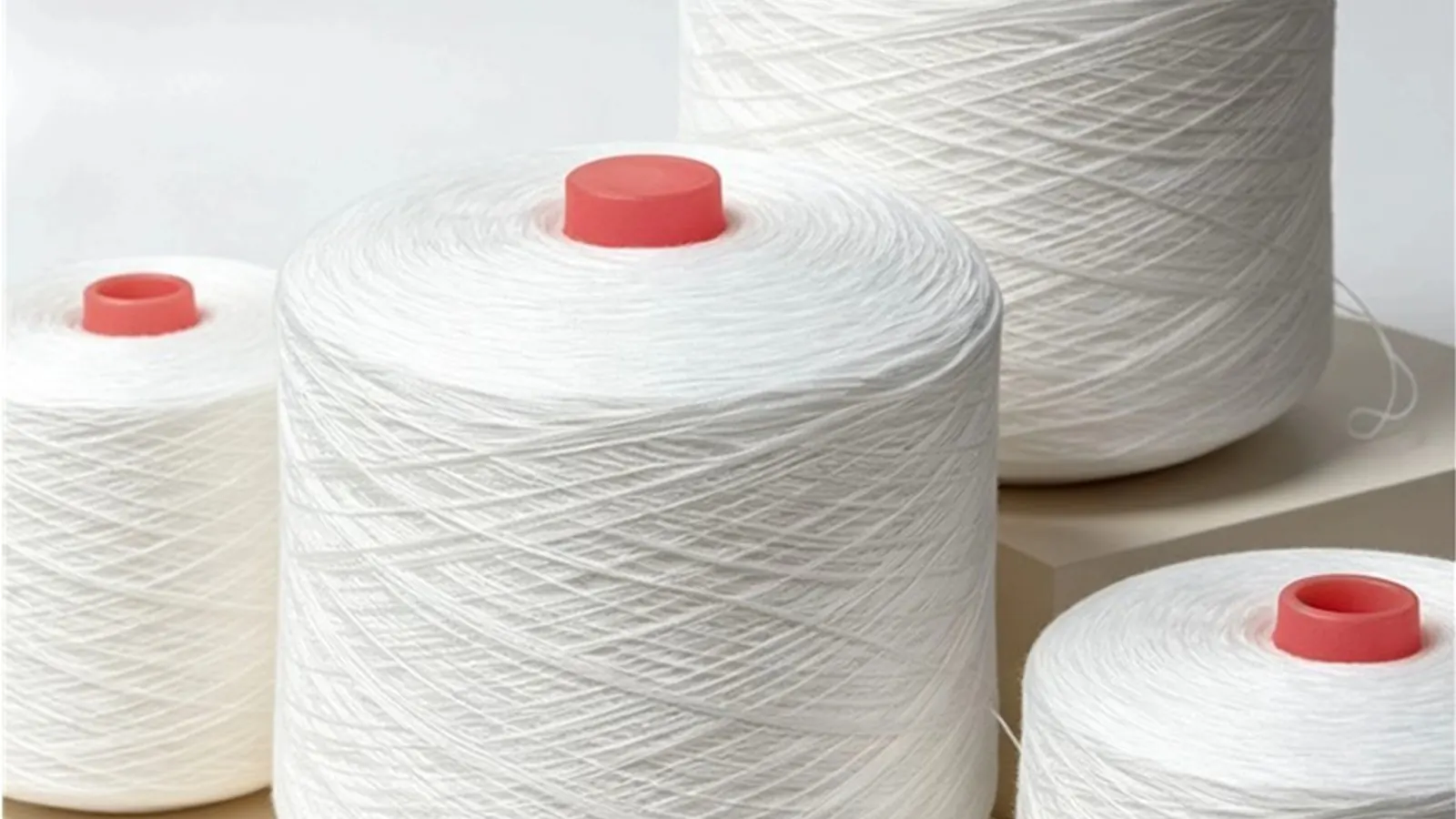
Direct answer: Select thread size and cone format by aligning the numbering system, seam requirement, needle, machine, package dimensions, run length, and receiving method.
Sewing thread size and cone format must be defined with units and a reference system because ticket numbers, tex, denier, metric count, and commercial labels are not interchangeable without context. The package also matters: a larger cone may reduce changeovers but must fit the machine stand and production flow.
Normalize the Size Reference
Ask the supplier which system is being used and request a linear-density value or construction reference that can be compared. A familiar ticket label may vary by market or manufacturer, so a physical sample and measured specification are safer than relying on the number alone.
Coordinate Thread, Needle, and Seam
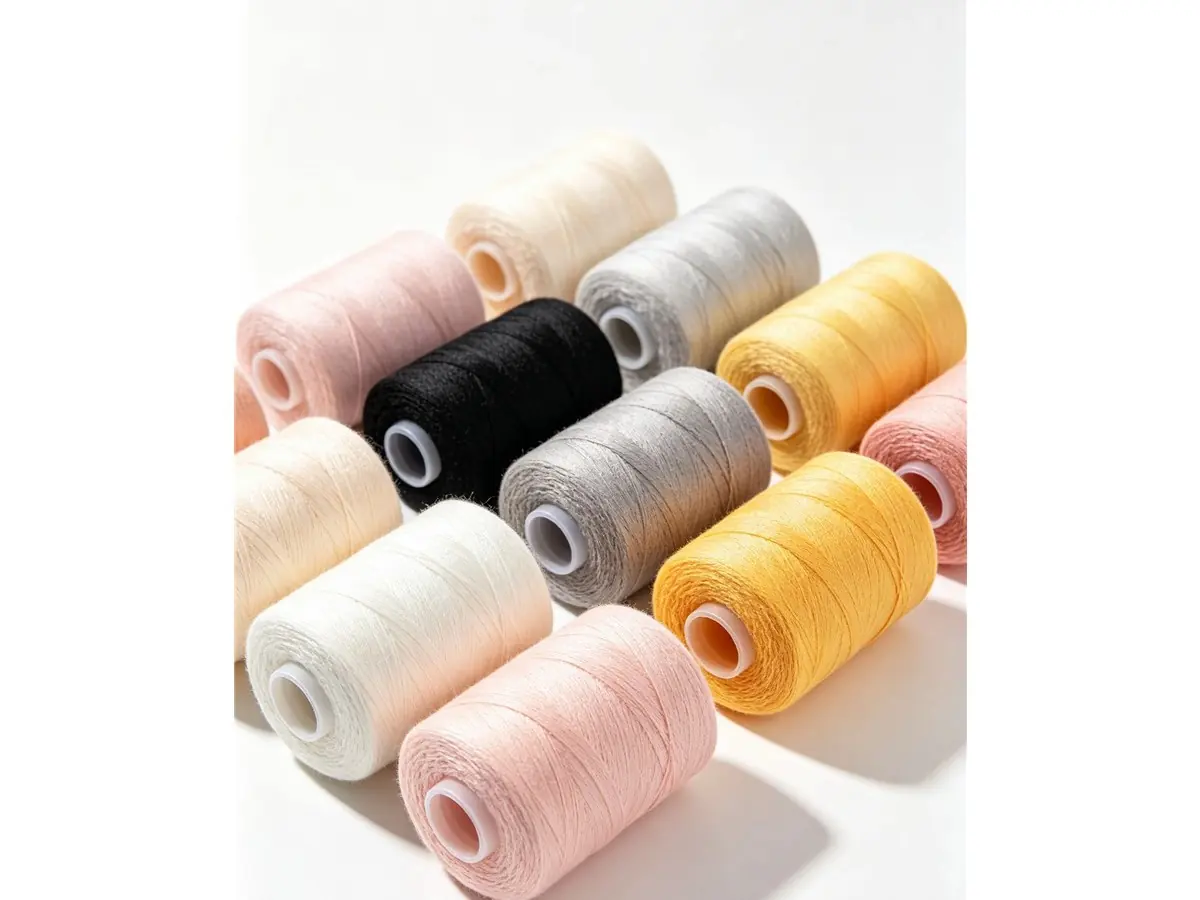
Thread should pass through the needle eye without excessive friction while forming a balanced stitch in the chosen fabric. Larger thread can increase visible coverage and seam strength but may require a larger needle, change hole appearance, or create puckering on lighter fabrics.
Choose a Cone for the Production Cell
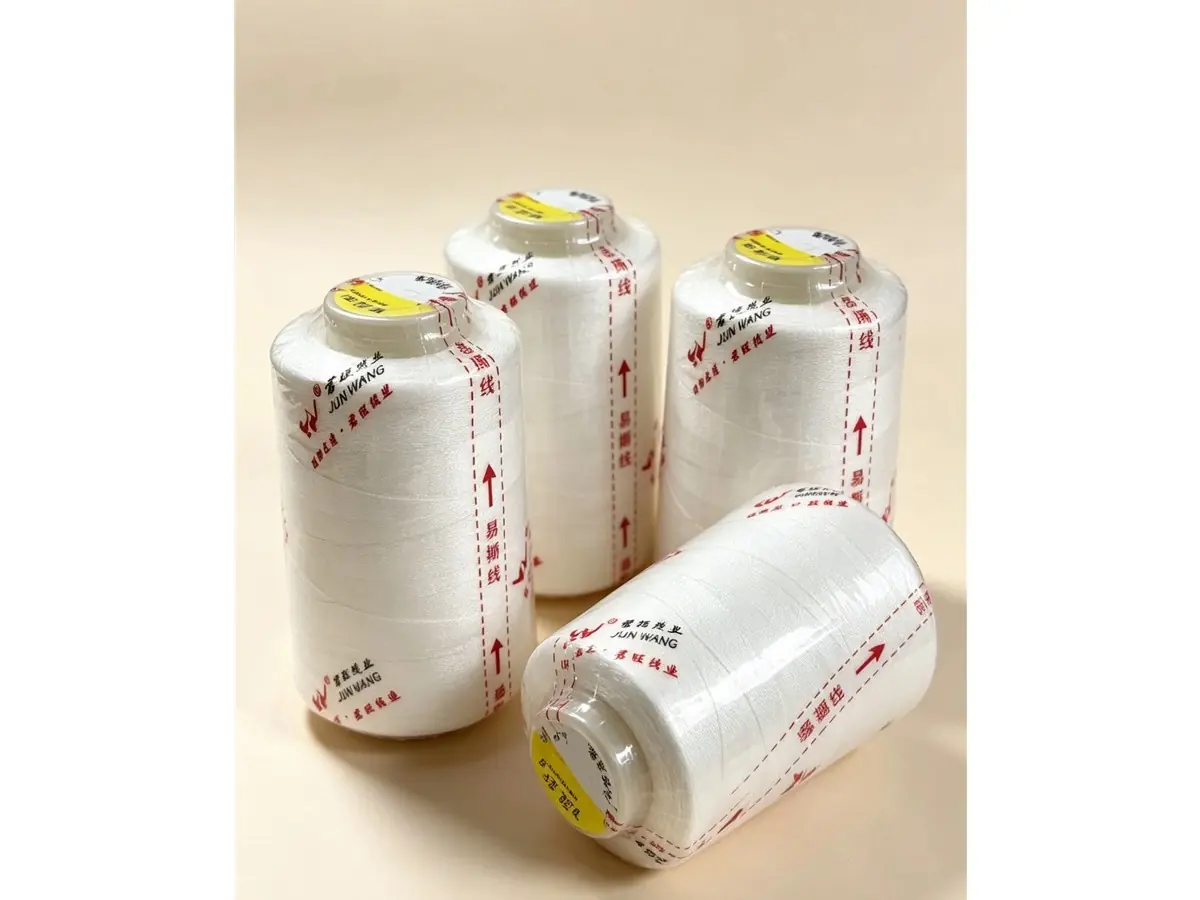
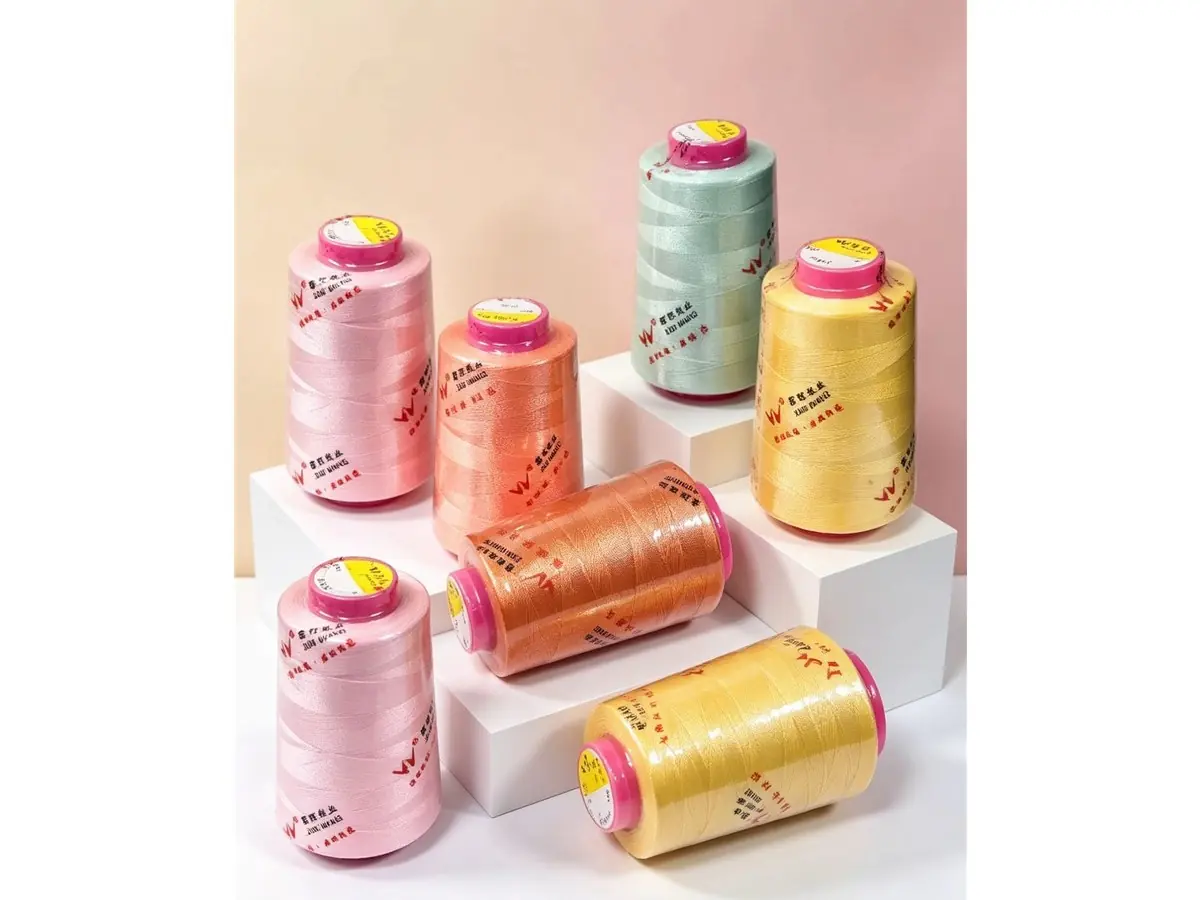
Confirm cone height, base diameter, core style, net thread weight or length basis, winding direction if relevant, and machine stand clearance. Compare changeover frequency and handling against the risk of excessive inventory in a single color or package.
Buyer Decision Table
| Decision area | What to confirm |
|---|---|
| Size system | Named system plus comparable linear-density reference |
| Construction | Fiber, filament or staple form, ply and twist |
| Machine fit | Needle eye, tension path, stand and speed |
| Package | Dimensions, core, quantity basis and label information |
Procurement Steps
- Record the current approved thread and size system.
- Request comparable constructions, not just matching label numbers.
- Trial needle, tension, stitch balance, and appearance.
- Approve the cone drawing and net quantity basis for purchasing.
The final selection should be confirmed on the actual material and process. If a technical value, document, minimum quantity, or schedule depends on the final construction, confirm it with the supplier based on the approved specification.
Common Mistakes
- Comparing ticket numbers from different systems without normalization
- Increasing thread size without changing the needle or seam settings
- Ordering a large cone before checking stand clearance and handling
Related Products
- Spun Polyester Sewing Thread
- High-Tenacity Polyester Filament Thread
- Combed Cotton Sewing Thread
- Multicolor Space-Dyed Thread
- PVA Water-Soluble Thread
- Nylon Monofilament Invisible Thread
- Polyester DTY Stretch Thread
- Nylon High-Stretch Thread
- Large-Cone Polyester Sewing Thread
- Raw White Greige Polyester Yarn
See the complete Product Center, review available customization through Service, or send project details through Contact Us.
Buyer FAQ
Is tex useful for comparison?
Tex expresses grams per 1,000 meters and can help normalize linear density, but construction and finish still affect sewing behavior.
Does a larger cone contain a fixed length?
No. Capacity depends on thread size, density, winding, cone dimensions, and the quoted quantity basis.
Can cone color be customized?
Core or cone options can be discussed based on availability, specification, and order details.
Why does the same nominal size sew differently?
Fiber, construction, twist, finish, lubrication, and dimensional variation can change performance.
Should the purchase order use weight or length?
Use the agreed commercial basis and define tolerance, package count, and verification method.
Request a Quote
For size and package selection, send the current thread label or sample, size system, fabric, seam, needle, machine, cone stand limits, desired run length, color, quantity, packaging, destination, and required timing.
Submit the specification for review. Junwang will confirm available options against the final requirements rather than publish unverified claims.
Sewing thread size and cone format purchasing is most reliable when the seam or process, product specification, sample, packaging, and order records all refer to the same approved version.