How to Evaluate a Sewing Thread Supplier Before Placing a Bulk Order
Direct answer: Evaluate a sewing thread supplier through specification control, representative samples, process visibility, inspection records, packaging accuracy, and response to change.
A sewing thread supplier evaluation should test the supplier’s ability to translate an application into a repeatable order specification. Factory photos and a broad product catalog are useful context, but buyers also need traceable samples, clear tolerances, controlled labels, and a documented response when material or order details change.
Review Technical Communication First
Send the same RFQ to each candidate and compare the questions they ask. A capable response should separate confirmed facts from items that depend on sample testing, clarify units and construction, and identify missing information instead of promising an undefined substitute.
Connect the Sample to the Bulk Order
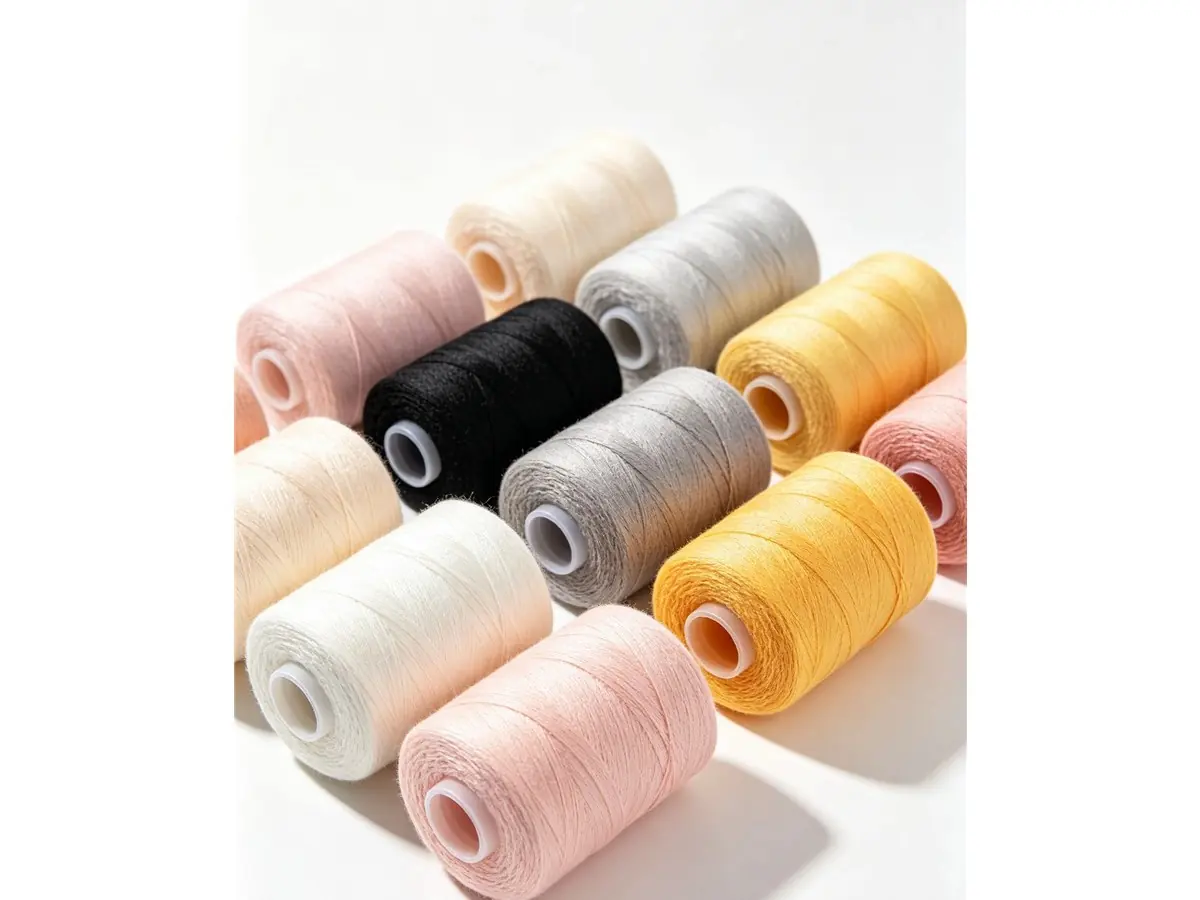
Mark the approved sample with the thread description, color reference, date, and buyer approval. The purchase order should repeat the controlling fields so the sample is not treated as the only specification; ask how the supplier prevents a later order from being matched to the wrong cone, shade, or label.
Check Production, Inspection, and Packing Controls
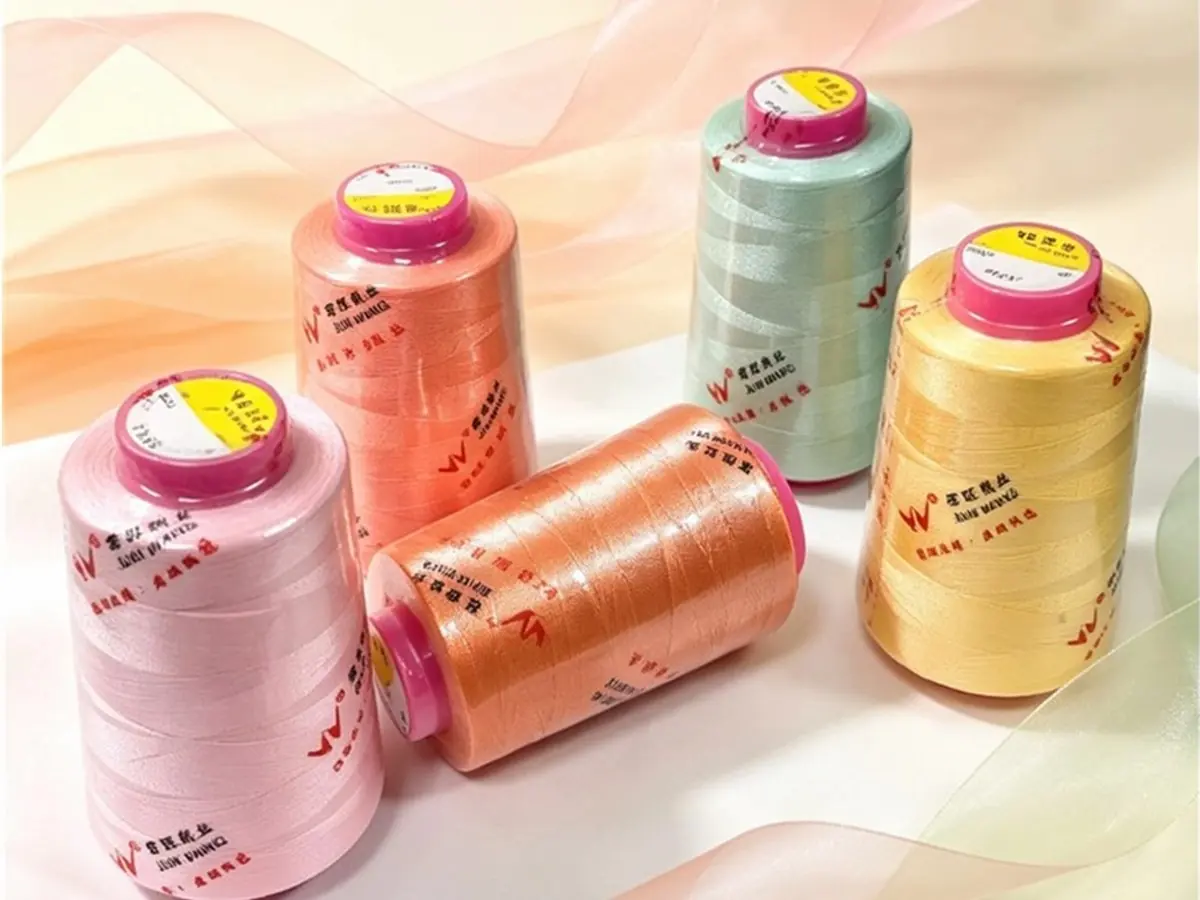
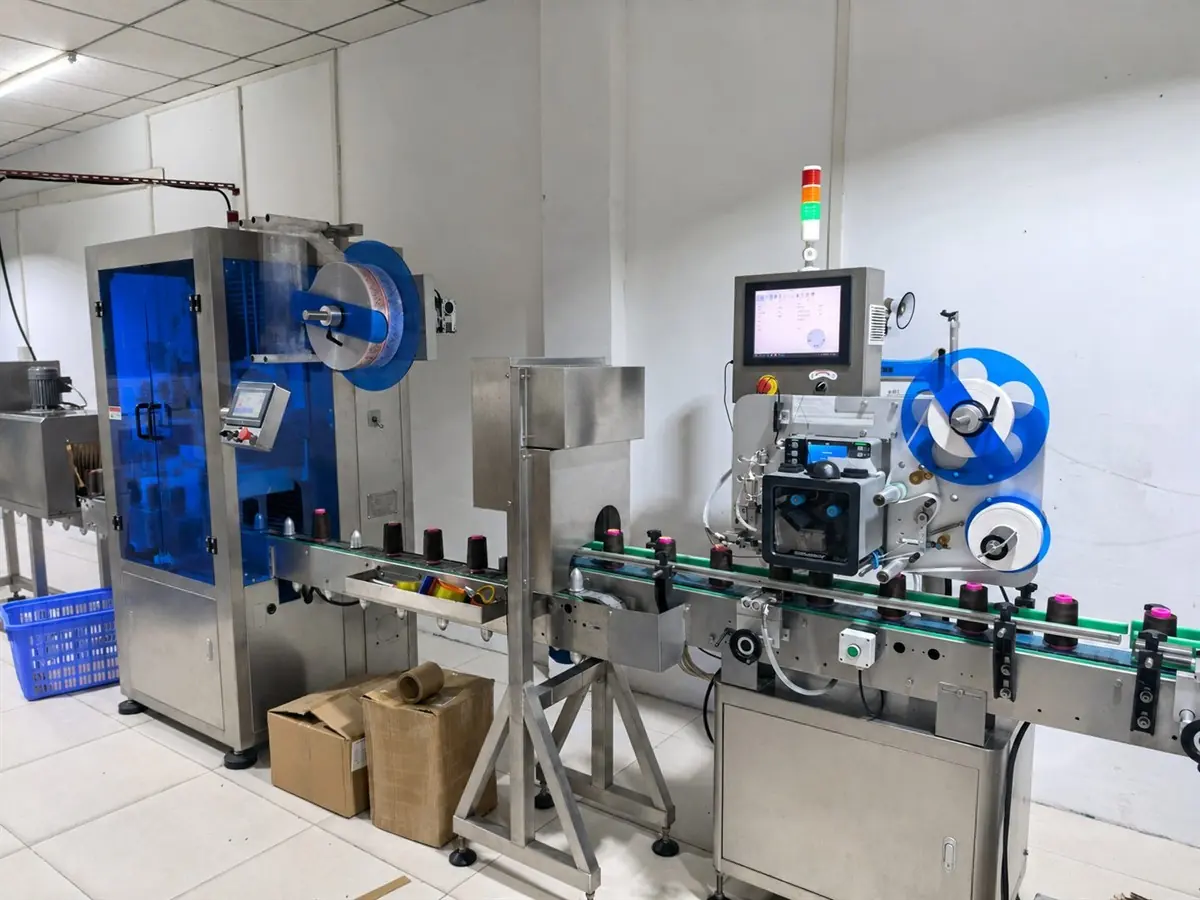
Review visible winding, package identification, final inspection, carton marking, and order separation. For higher-risk programs, agree on retained samples, inspection photographs, third-party inspection access, or documents tied to the final product rather than a generic sales statement.
Buyer Decision Table
| Decision area | What to confirm |
|---|---|
| Specification control | Revision, units, tolerances and approved sample |
| Process evidence | Winding, inspection, labels and order separation |
| Commercial clarity | Price basis, quantity, packing and trade terms |
| Change management | How substitutions and revisions require approval |
Procurement Steps
- Issue a standardized RFQ and supplier questionnaire.
- Review samples and documents against the intended application.
- Run a small production or pilot evaluation where appropriate.
- Record the approved supplier, specification, risks, and monitoring plan.
The final selection should be confirmed on the actual material and process. If a technical value, document, minimum quantity, or schedule depends on the final construction, confirm it with the supplier based on the approved specification.
Common Mistakes
- Treating a product photo as a technical specification
- Accepting unsupported certification or performance statements
- Failing to define how repeat orders will be matched
Related Products
- Spun Polyester Sewing Thread
- High-Tenacity Polyester Filament Thread
- Combed Cotton Sewing Thread
- Polyester DTY Stretch Thread
- Nylon High-Stretch Thread
- Large-Cone Polyester Sewing Thread
See the complete Product Center, review available customization through Service, or send project details through Contact Us.
Buyer FAQ
Should a factory audit be onsite?
The format should match risk. Remote evidence may support an initial review, while critical programs may justify onsite or third-party checks.
What documents should be requested?
Request documents relevant to the actual order, such as a specification, sample record, packing proof, and any agreed inspection or test evidence.
Does a low price indicate poor performance?
Price alone does not establish suitability. Normalize material, size, cone weight, packing, quantity, and trade terms before comparing.
How many samples are needed?
That depends on colors, constructions, end uses, and the buyer’s approval process.
Should repeat orders be resampled?
Use a risk-based plan and require reapproval when the specification, process, material, or visual standard changes.
Request a Quote
To evaluate Junwang for a program, send the product type, material, size reference, seam application, color requirements, estimated quantity, packaging, destination, required documents, and target schedule.
Submit the specification for review. Junwang will confirm available options against the final requirements rather than publish unverified claims.
Sewing thread supplier evaluation purchasing is most reliable when the seam or process, product specification, sample, packaging, and order records all refer to the same approved version.