How Junwang Organizes Thread Winding, Inspection, and Packaging
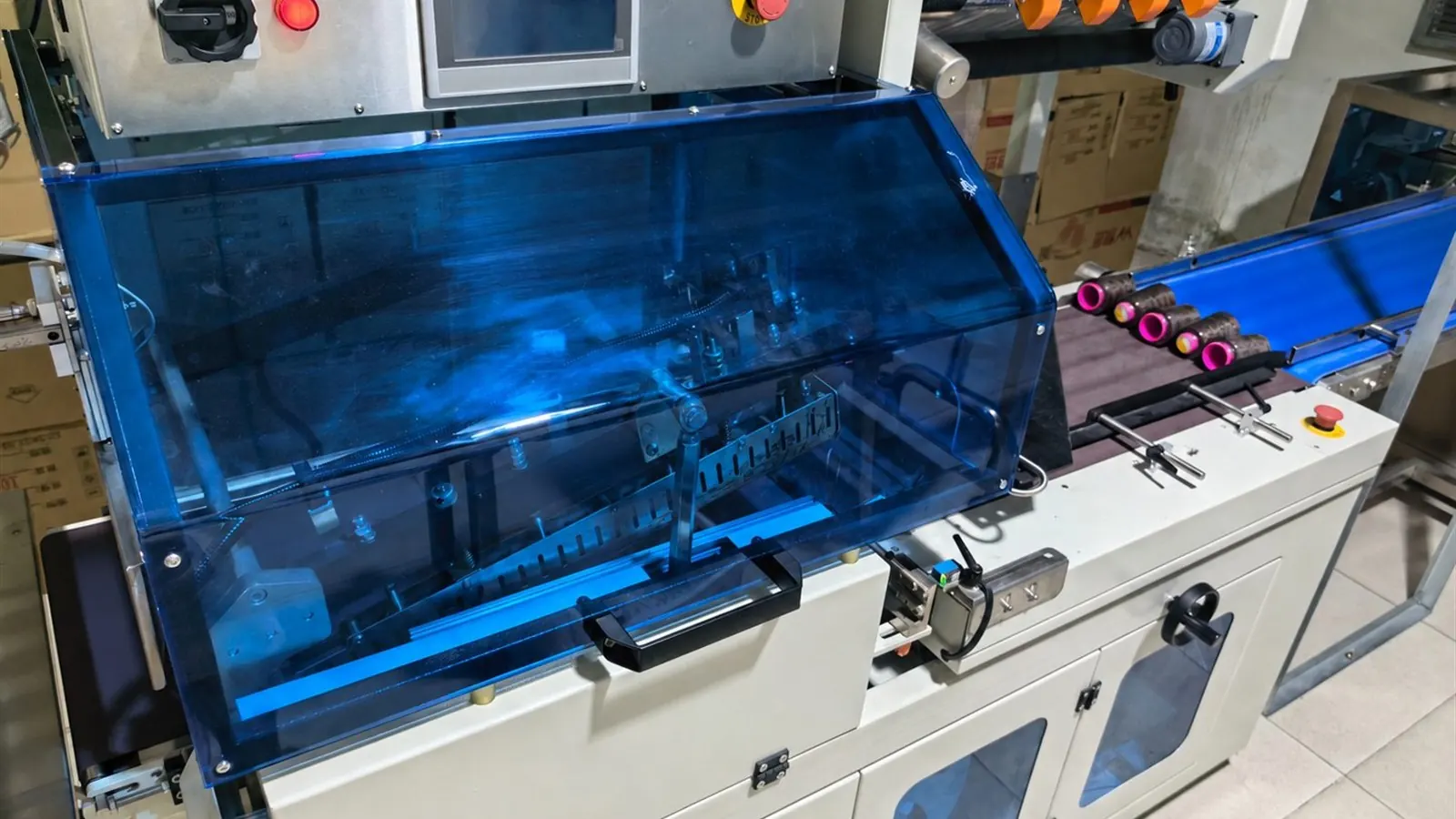
Direct answer: Junwang coordinates winding format, visible identification, agreed inspection, labeling, wrapping, and carton preparation around the approved order specification.
Thread winding, inspection, and packaging are connected steps because cone dimensions and net quantity affect machine fit, label data, carton count, and freight planning. Junwang reviews those elements with the buyer before the order is prepared for bulk shipment.
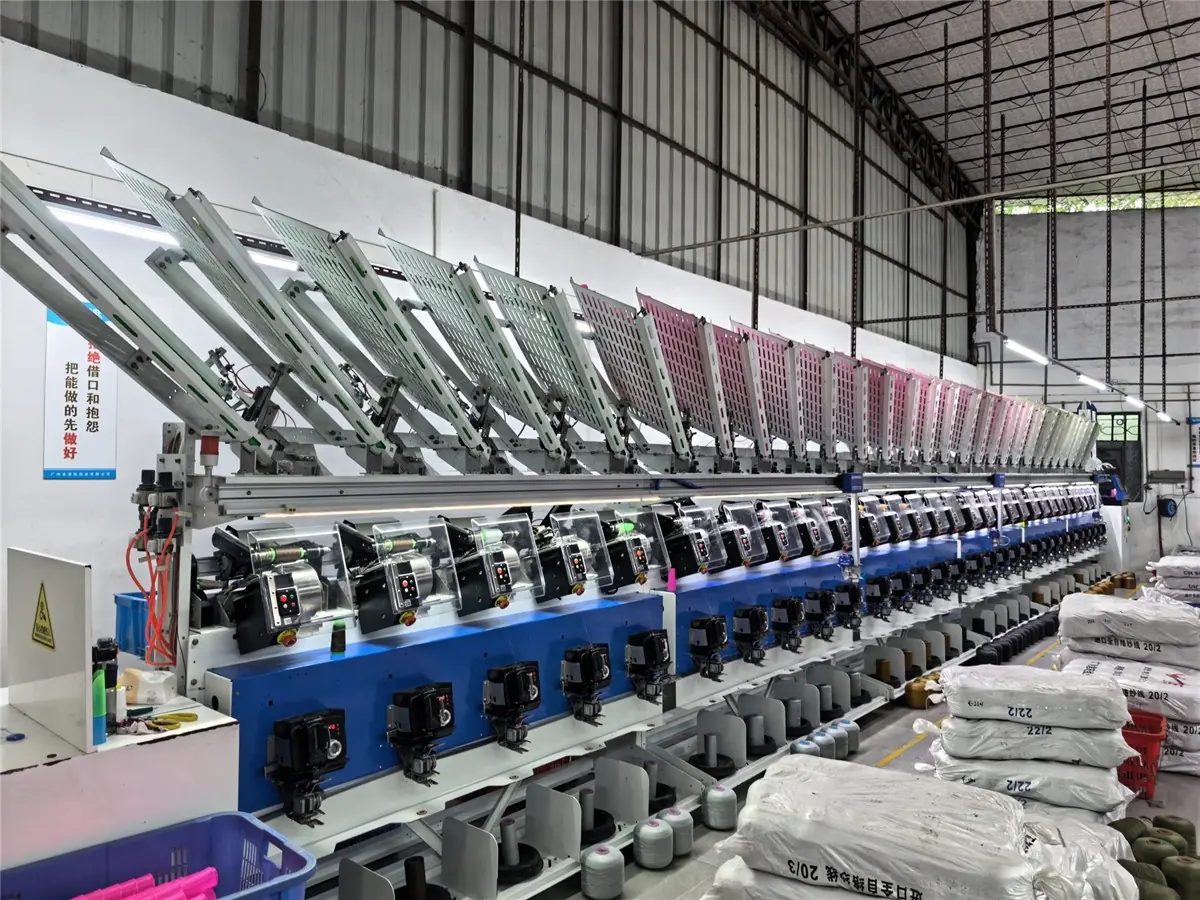
Winding Begins With the Approved Package
The buyer should define or approve cone dimensions, core details, net quantity basis, winding needs, and any machine restrictions. The thread material and size influence package capacity, so a cone used for one construction should not be assumed to hold the same quantity of another.
Inspection Follows Agreed Criteria
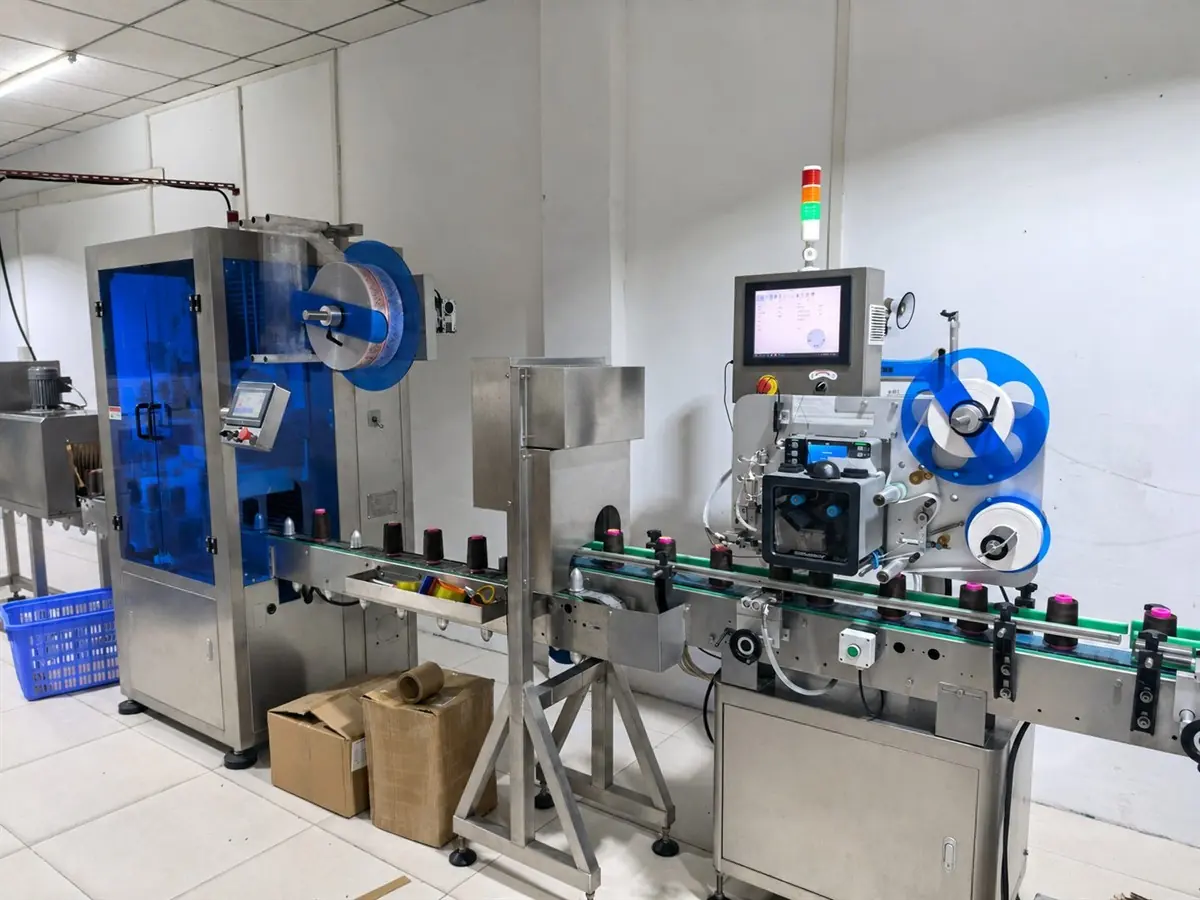
Relevant checks can include visible winding condition, color or identification, cone and label match, package count, and carton marks. Any requested performance value, test, or tolerance must be tied to the final specification and available verification method.
Packaging Supports Receiving
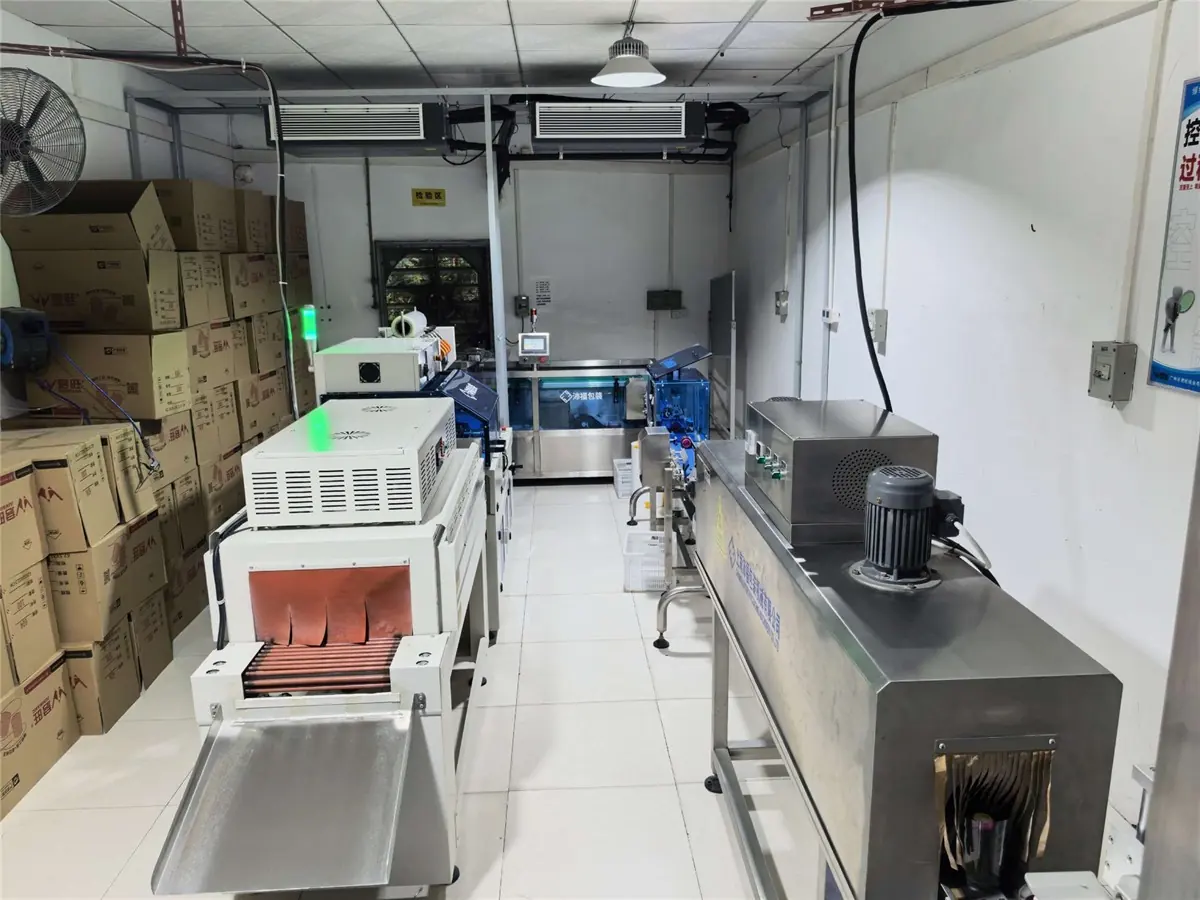
Factory images show automated labeling and wrapping equipment alongside packing operations. Final package design can include buyer artwork and variable data after approval; cartons are organized to help receiving teams identify SKUs and reconcile the packing list.
Buyer Decision Table
| Decision area | What to confirm |
|---|---|
| Winding | Cone fit, net quantity, surface and loose-end control |
| Identification | SKU, color, label and production reference |
| Protection | Wrapping, separators, carton and handling |
| Receiving | Marks, count, weights and packing-list match |
Procurement Steps
- Approve the wound-package specification.
- Define visible and measurable inspection points.
- Approve label, wrapping, and carton proofs.
- Reconcile finished quantity and shipment records.
The final selection should be confirmed on the actual material and process. If a technical value, document, minimum quantity, or schedule depends on the final construction, confirm it with the supplier based on the approved specification.
Common Mistakes
- Treating cone appearance as the only quality check
- Printing labels before variable-data rules are confirmed
- Using carton gross weight as thread net weight
Related Products
- Spun Polyester Sewing Thread
- High-Tenacity Polyester Filament Thread
- Combed Cotton Sewing Thread
- Polyester DTY Stretch Thread
- Nylon High-Stretch Thread
- Large-Cone Polyester Sewing Thread
See the complete Product Center, review available customization through Service, or send project details through Contact Us.
Buyer FAQ
Can winding format be customized?
Options depend on the product, cone, equipment, and order details.
Can buyers request packing photographs?
Photo requirements can be discussed during order confirmation.
Are labels applied automatically?
Factory media shows labeling equipment, but the route depends on the selected package.
Can mixed SKUs be packed together?
It may be possible when separation and identification are agreed.
How are inspection criteria selected?
They should come from the final product specification, buyer requirements, and applicable methods.
Request a Quote
For winding and packing review, provide the thread construction and size, cone drawing or sample, net quantity, color and SKU list, label files, carton limits, estimated quantity, destination, inspection needs, and requested shipment window.
Submit the specification for review. Junwang will confirm available options against the final requirements rather than publish unverified claims.
Thread winding inspection and packaging purchasing is most reliable when the seam or process, product specification, sample, packaging, and order records all refer to the same approved version.