Spun Polyester vs. Filament Polyester Sewing Thread
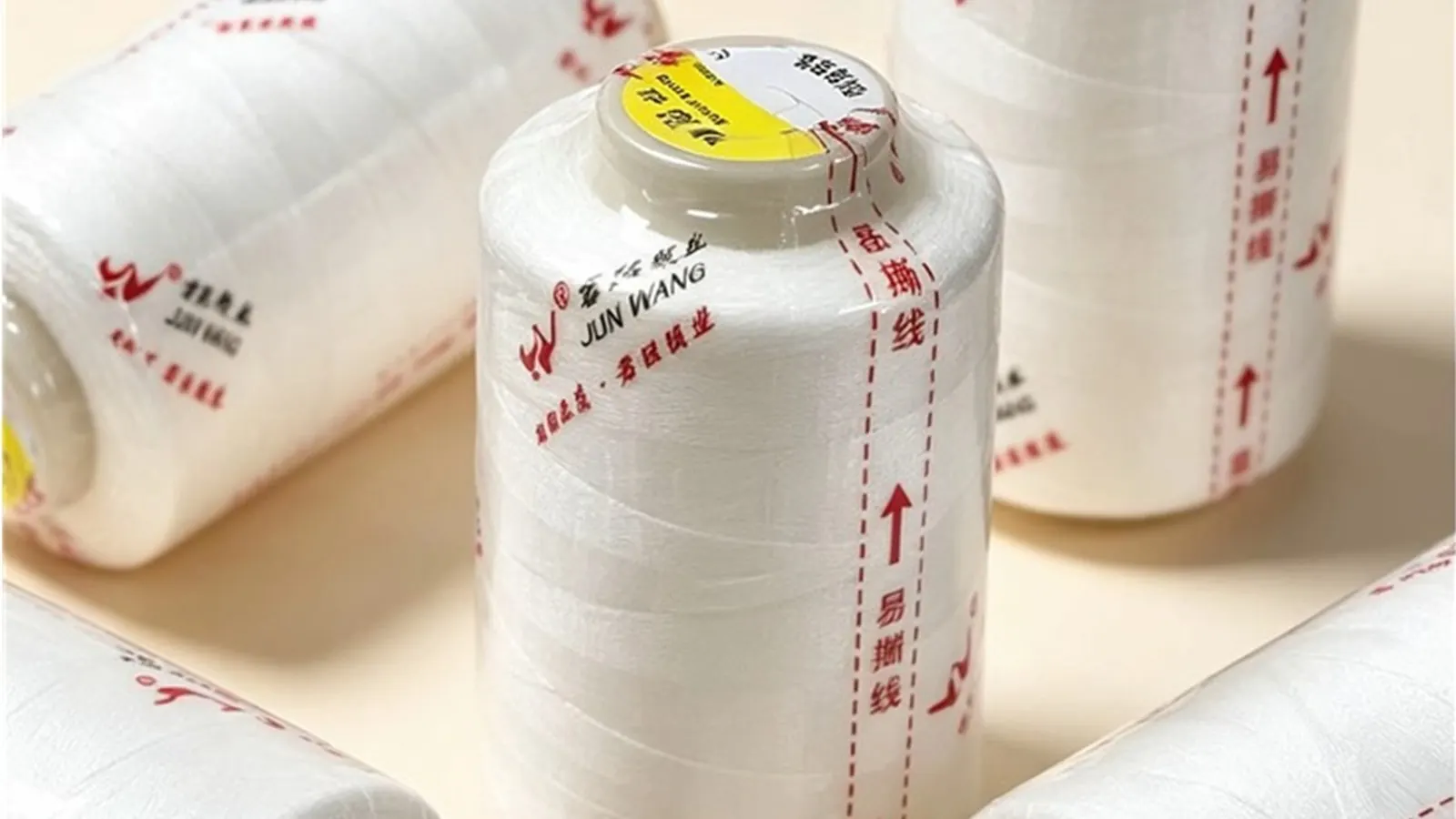
Direct answer: Spun polyester provides a textile-like surface for general sewing, while continuous-filament polyester is selected for greater seam strength and abrasion demands.
The spun vs. filament polyester thread decision changes seam appearance, handling, strength, abrasion behavior, and cost. Both are polyester, but their fiber construction is different; buyers should compare the actual thread size, finish, and sewn performance instead of treating the names as interchangeable.
How the Constructions Differ
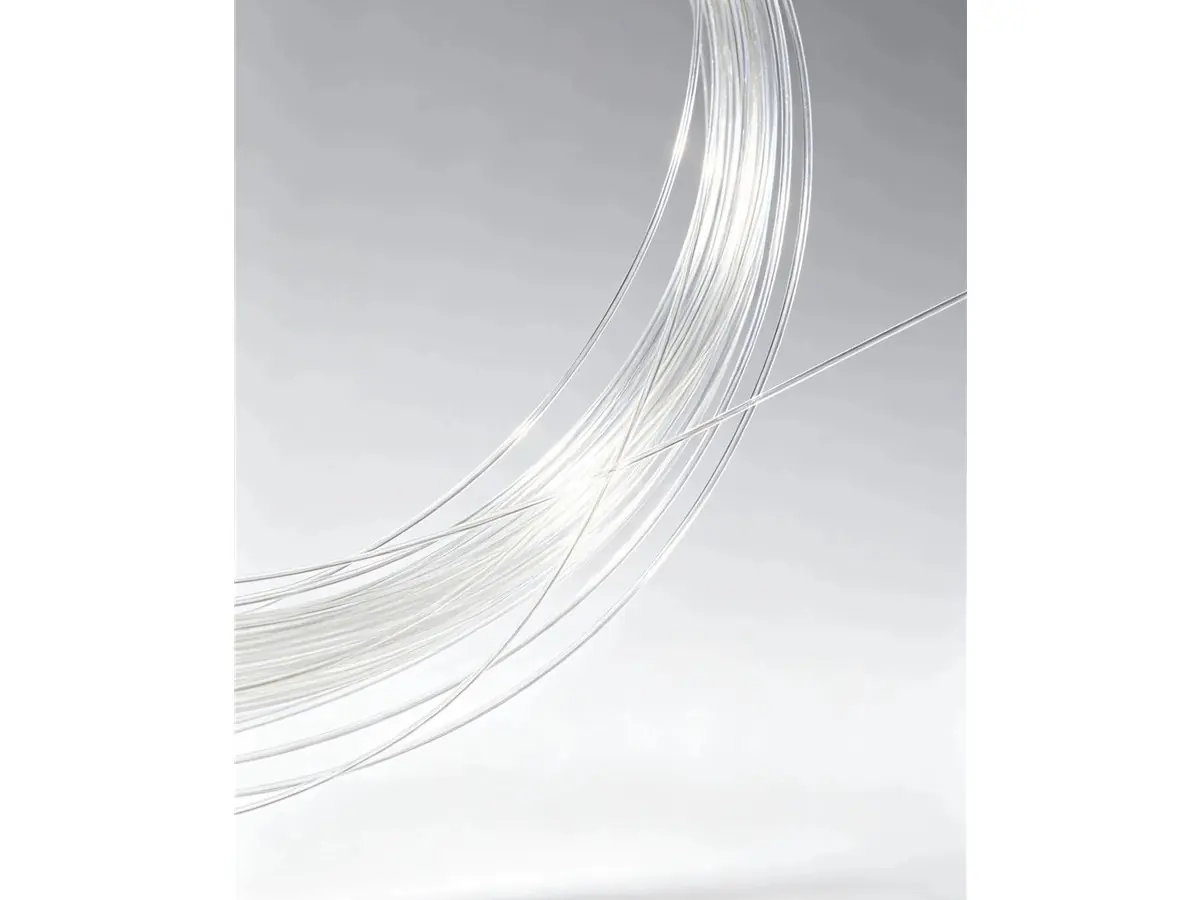
Spun polyester is made from staple fibers twisted into yarn, giving it a fibrous surface and familiar apparel-thread character. Continuous-filament polyester is built from long filaments and can provide higher tenacity and abrasion resistance at a comparable size, with appearance and handling influenced by twist and finish.
Where Each Type Fits
Spun polyester is common in shirts, pants, uniforms, home textiles, bags, and broad garment production. Filament polyester is often evaluated for footwear, luggage, upholstery, outdoor gear, leather goods, and other seams where load and rubbing are more demanding.
Compare on the Actual Seam
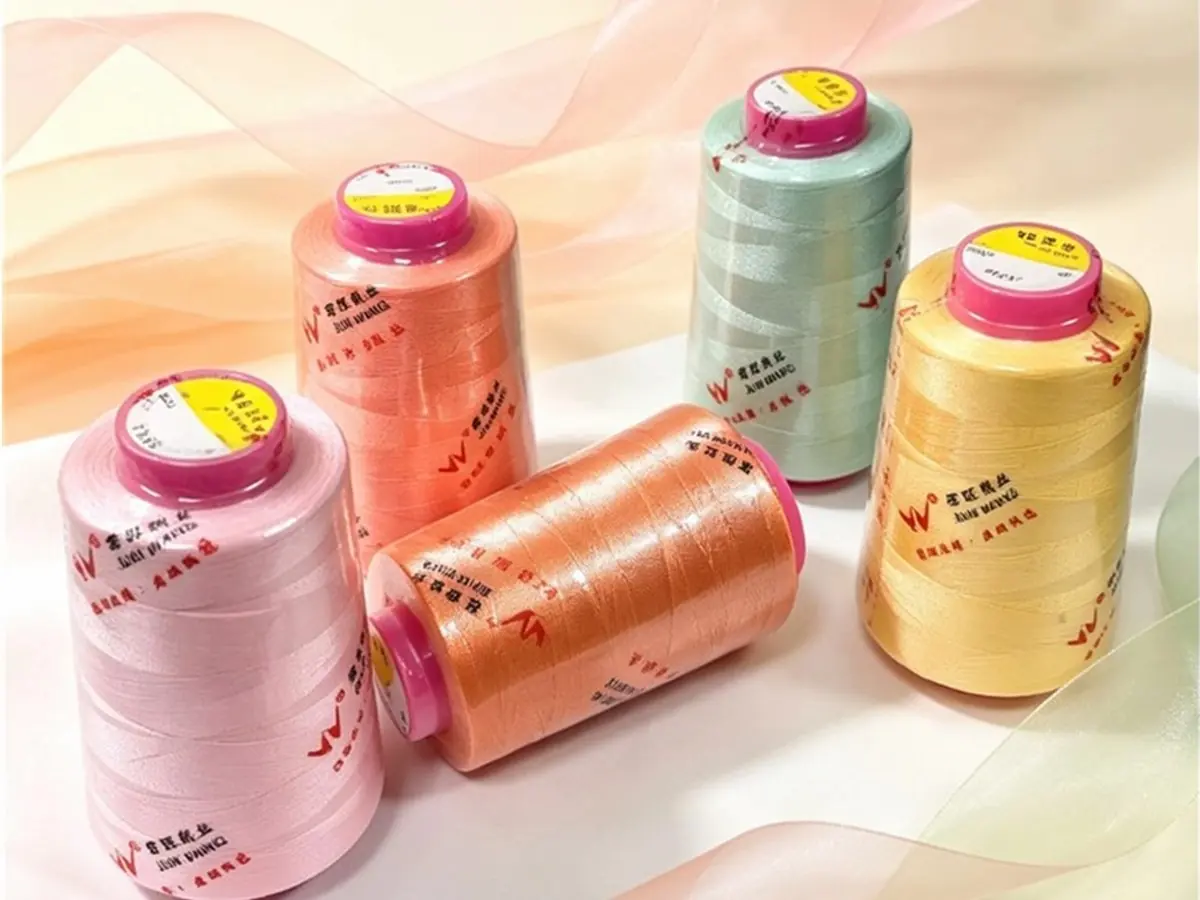
Do not select by tensile value alone. Needle heat, loop formation, puckering, seam balance, abrasion points, wash process, fabric damage, and operator settings can change results, so compare candidates using the production material and machine.
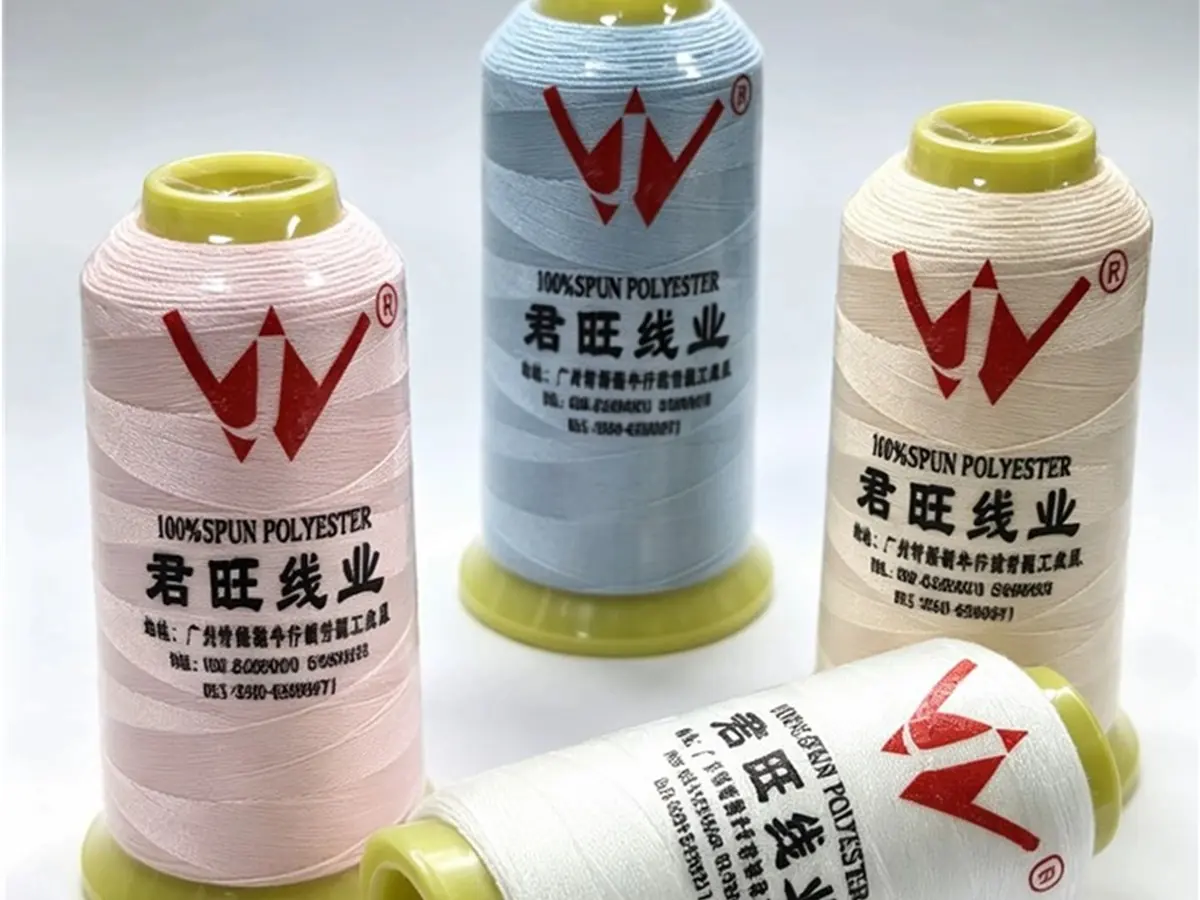
Buyer Decision Table
| Decision area | What to confirm |
|---|---|
| Construction | Staple-fiber spun yarn vs. continuous filaments |
| Surface and appearance | Hairier textile look vs. smoother filament character |
| Typical demand | General garment sewing vs. higher load and abrasion |
| Approval | Equivalent size and finish tested on the same seam |
Procurement Steps
- Define the seam load, appearance, and fabric.
- Choose comparable thread sizes and compatible needles.
- Run production-speed sewing and end-use conditioning.
- Record the selected construction, finish, and package.
The final selection should be confirmed on the actual material and process. If a technical value, document, minimum quantity, or schedule depends on the final construction, confirm it with the supplier based on the approved specification.
Common Mistakes
- Comparing different sizes as if only construction changed
- Assuming filament thread is necessary for every apparel seam
- Ignoring finish, needle selection, and machine tension
Related Products
- Spun Polyester Sewing Thread
- High-Tenacity Polyester Filament Thread
- Large-Cone Polyester Sewing Thread
See the complete Product Center, review available customization through Service, or send project details through Contact Us.
Buyer FAQ
Is filament polyester always stronger?
It often offers greater tenacity, but meaningful comparison requires equivalent size, construction, and test conditions.
Does spun polyester look more like cotton?
Its staple-fiber surface gives a more textile-like appearance, but it remains polyester.
Can both be color matched?
Color development can be discussed for both, subject to the final material and order details.
Which works better at high speed?
Machine performance depends on size, finish, needle, tension, fabric, and speed; test the complete setup.
Can one replace the other without resampling?
A construction change can affect seam appearance and behavior, so resampling is recommended.
Request a Quote
To compare spun and filament polyester, provide the fabric, seam type, machine, current thread reference, size, color, performance concern, estimated quantity, cone format, packaging, and destination.
Submit the specification for review. Junwang will confirm available options against the final requirements rather than publish unverified claims.
Spun vs filament polyester thread purchasing is most reliable when the seam or process, product specification, sample, packaging, and order records all refer to the same approved version.