Nylon High Stretch vs. Polyester DTY Thread for Elastic Seams
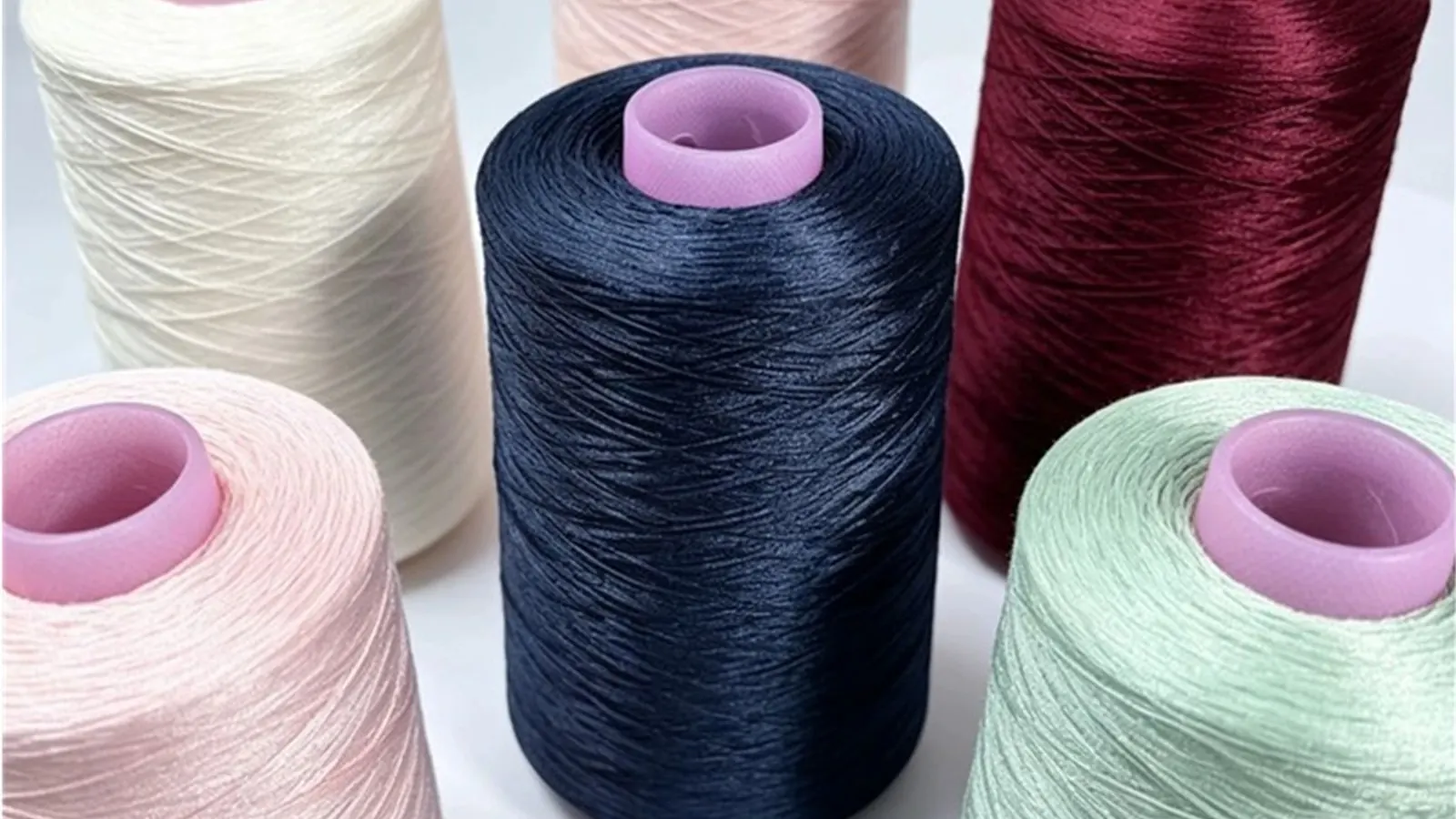
Direct answer: Compare nylon high-stretch and polyester DTY thread through elongation, recovery, coverage, dye response, heat exposure, hand, and compatibility with the final elastic seam.
Nylon high stretch vs. polyester DTY is a practical sourcing question for underwear, swimwear, sportswear, knitwear, and overlock seams. Both are textured multifilament threads that can add softness and coverage, but polymer behavior and the fabric’s finishing process influence the better fit.
Compare Stretch as a System
Thread elongation by itself does not predict seam extensibility. Stitch type, stitch density, looper setting, needle thread, differential feed, seam allowance, and fabric recovery all matter, so test the complete seam to the buyer’s performance requirement.
Consider End-Use Conditions
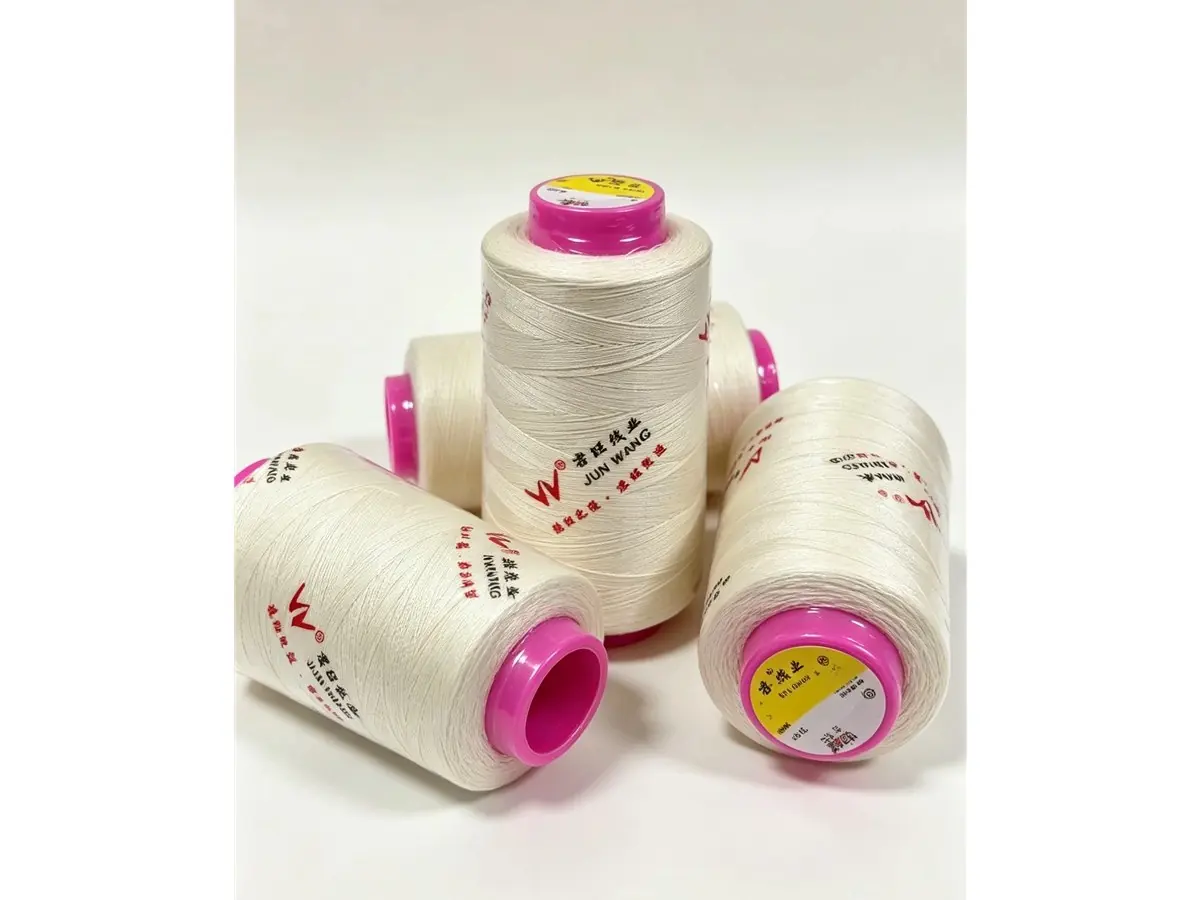
Nylon is often selected for soft hand and strong stretch response, while polyester DTY can be attractive where polyester compatibility, dimensional behavior, or process conditions favor it. Heat, dyeing, washing, chemicals, and colorfastness expectations should be reviewed for the actual garment process.
Specify Position and Package
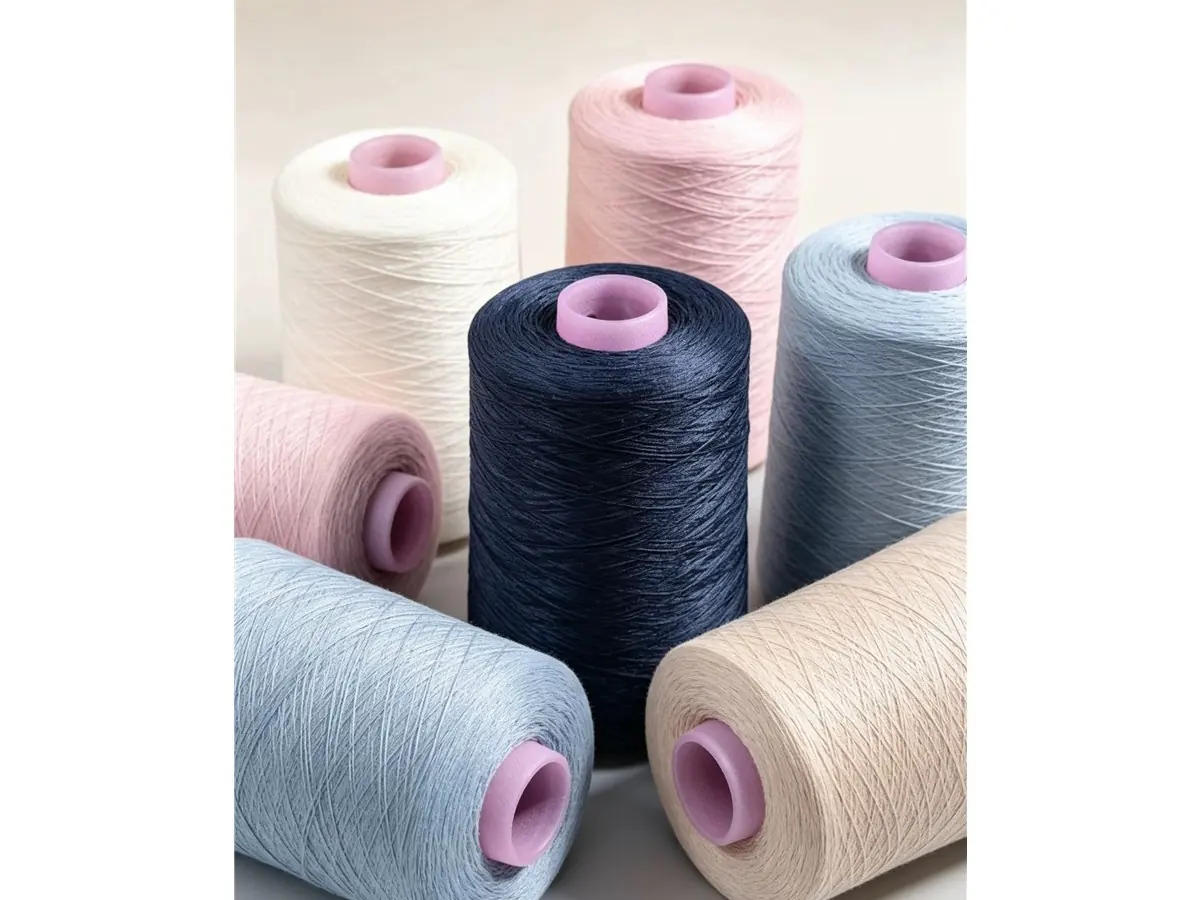
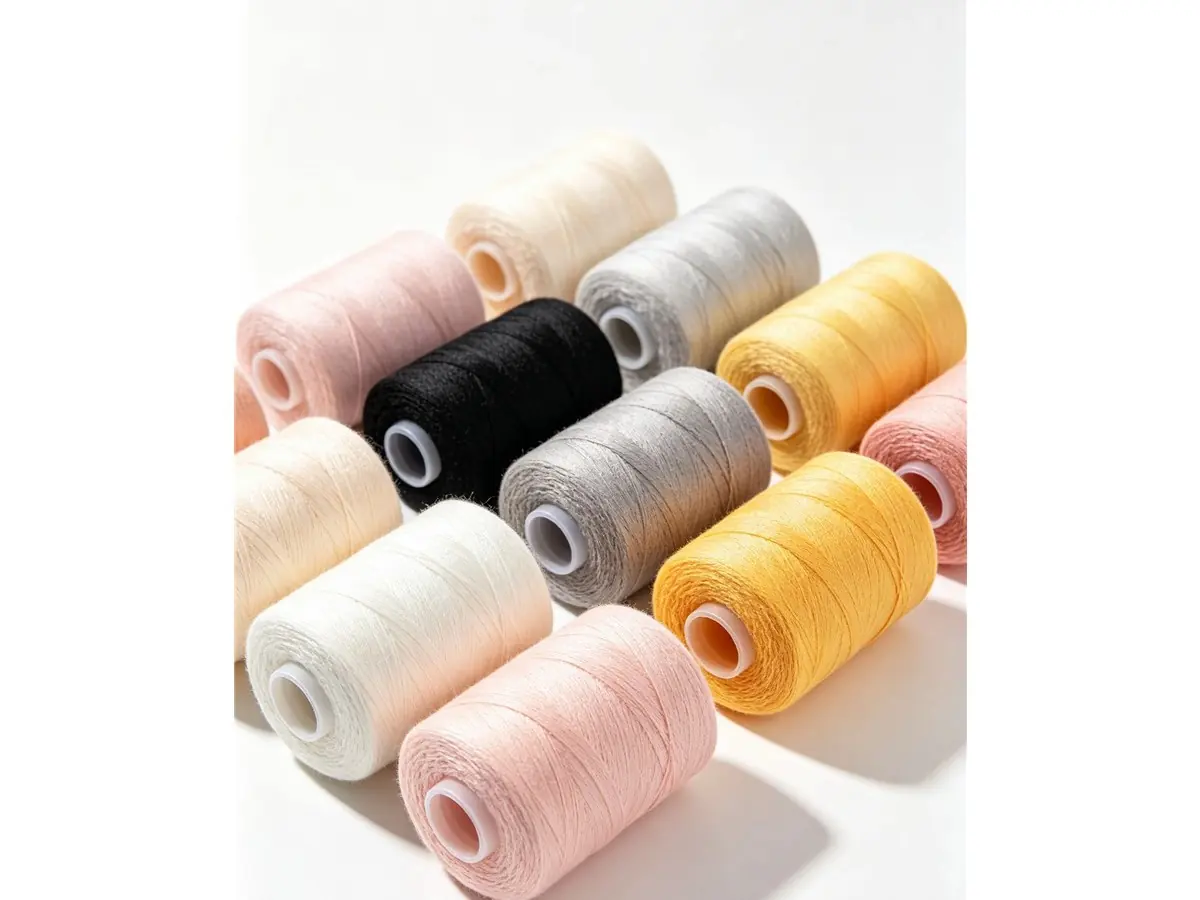
State whether the textured thread runs in a looper, cover thread, or another machine position. Include linear density, filament construction where known, color, winding, lubrication or finish expectations, cone size, and the matching needle-thread specification.
Buyer Decision Table
| Decision area | What to confirm |
|---|---|
| Seam behavior | Extension, recovery, coverage and softness |
| Process exposure | Heat, dyeing, washing and chemical contact |
| Machine position | Looper, cover, or approved needle use |
| Color system | Fiber-specific matching and production fabric review |
Procurement Steps
- Send the stretch fabric and seam requirement.
- Trial both candidates in the intended machine positions.
- Condition or wash samples using the production process.
- Approve seam appearance, recovery, and thread specification.
The final selection should be confirmed on the actual material and process. If a technical value, document, minimum quantity, or schedule depends on the final construction, confirm it with the supplier based on the approved specification.
Common Mistakes
- Choosing only from hand feel on an unwound cone
- Testing thread without the final needle thread and stitch settings
- Assuming the same dye or heat response for nylon and polyester
Related Products
See the complete Product Center, review available customization through Service, or send project details through Contact Us.
Buyer FAQ
Which thread stretches more?
The answer depends on the exact construction and test method; confirm data and test the sewn seam.
Can polyester DTY be used for activewear?
Yes, it can be evaluated for activewear and knit seams when the construction and process fit.
Why is textured thread often used in loopers?
Its bulk can improve seam coverage and softness while accommodating movement.
Can nylon and polyester use the same color standard?
A common target can be supplied, but fiber-specific appearance and dye response require separate approval.
Should swimwear samples be conditioned?
Use an evaluation that reflects intended exposure and buyer requirements rather than relying on a dry visual check alone.
Request a Quote
For an elastic-seam comparison, send the fabric, stretch direction and range, stitch class, machine positions, wash or heat process, color standard, thread size, quantity, cone and packaging needs, destination, and approval date.
Submit the specification for review. Junwang will confirm available options against the final requirements rather than publish unverified claims.
Nylon high stretch vs polyester DTY purchasing is most reliable when the seam or process, product specification, sample, packaging, and order records all refer to the same approved version.