How to Choose Industrial Sewing Thread for Bulk Apparel Production
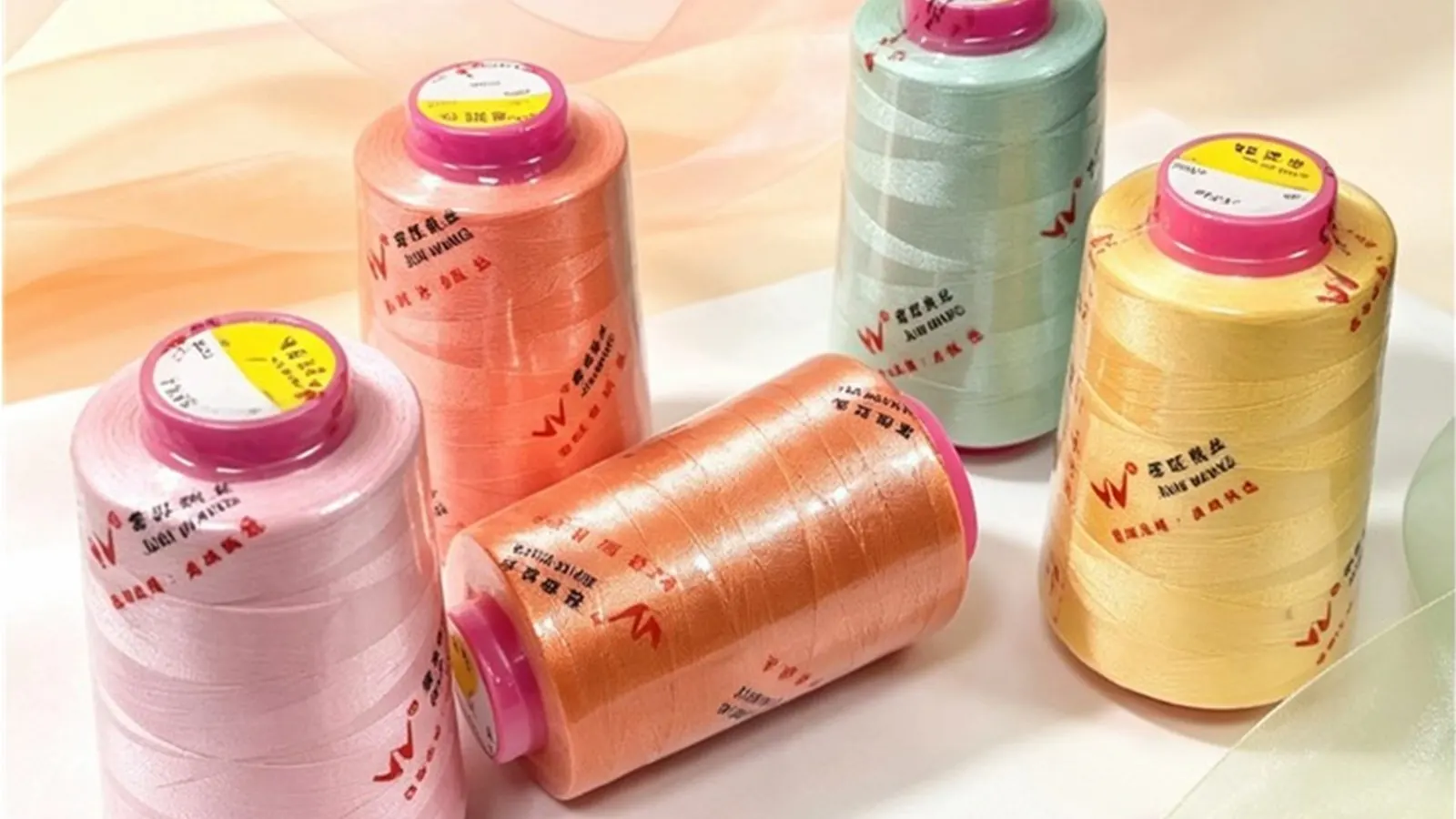
Direct answer: Choose industrial sewing thread by matching fiber, construction, size, stretch, finish, and package format to the fabric, seam, machine, and production conditions.
Industrial sewing thread should be specified as part of the seam system, not selected by color and price alone. U.S. apparel buyers can reduce sampling delays by giving the supplier the fabric, stitch type, seam purpose, machine setup, wash process, target appearance, and expected order volume before requesting a recommendation.
Start With the Seam and Fabric
A lockstitch on a woven shirt places different demands on thread than an overlock seam on stretch knitwear. Identify whether the seam is structural, decorative, temporary, invisible, or expected to elongate, then compare spun polyester, continuous-filament polyester, cotton, textured nylon, textured polyester, monofilament, and water-soluble options against that job.
Match Construction to Production Conditions
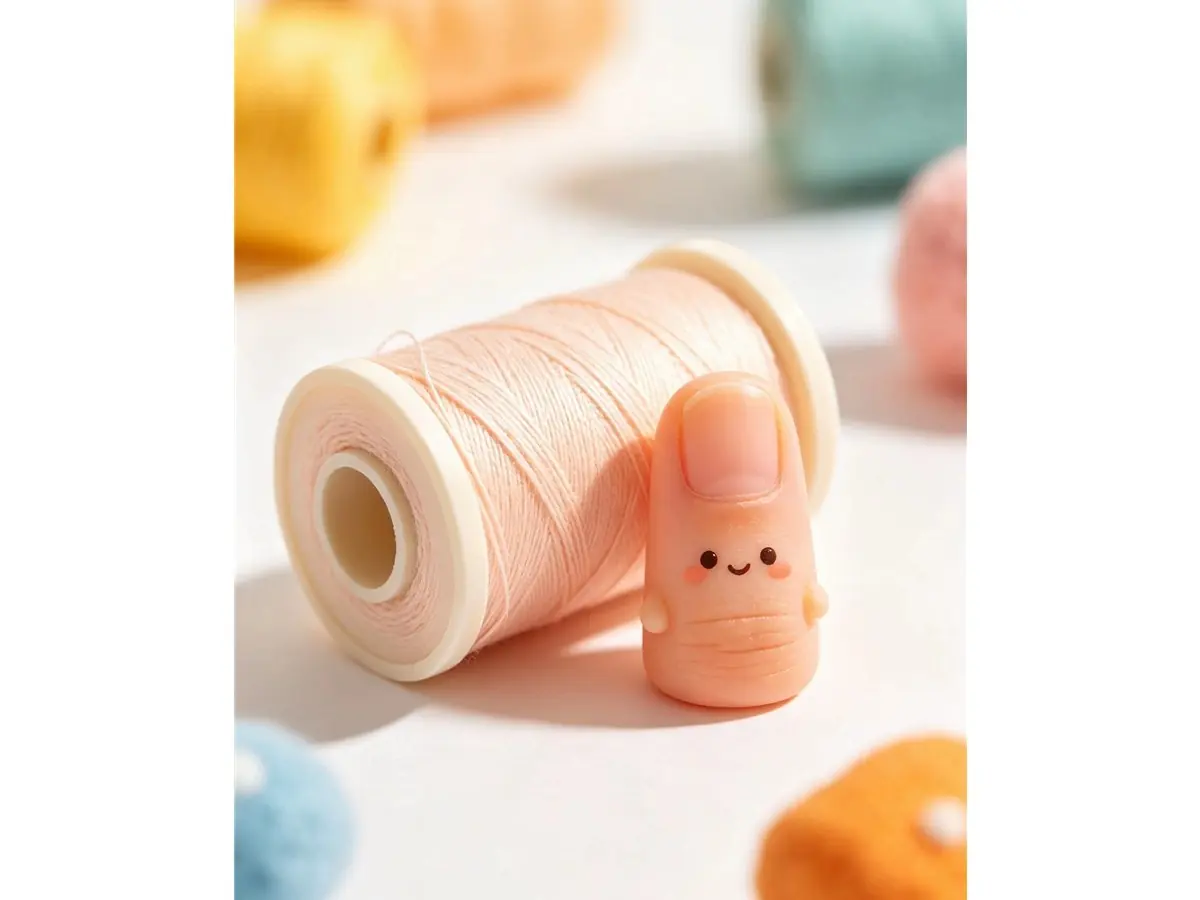
Spun thread offers a familiar textile hand and broad garment use, while continuous filament is selected when higher seam strength and abrasion resistance are needed. Textured threads add coverage and stretch for loopers; cotton supports natural-fiber sewing and garment-dye programs; monofilament minimizes visible stitching; PVA thread is used only when controlled removal by water is part of the process.
Approve the Complete Thread Specification
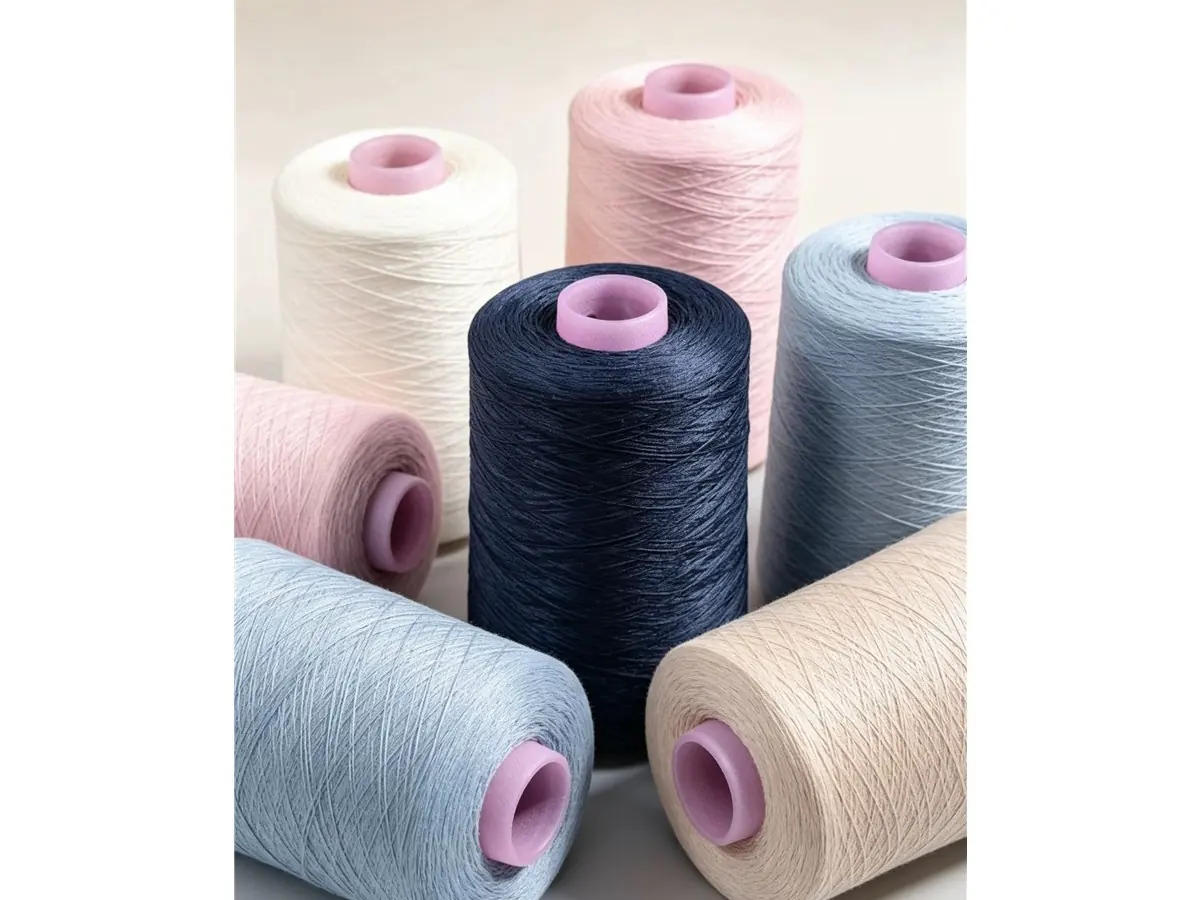
A usable approval record includes fiber, construction, ticket or linear-density reference, ply, color standard, finish, cone size, winding direction when relevant, label artwork, carton configuration, and test method. Ask the supplier to confirm any value that depends on the final construction rather than carrying an assumption from a different thread.
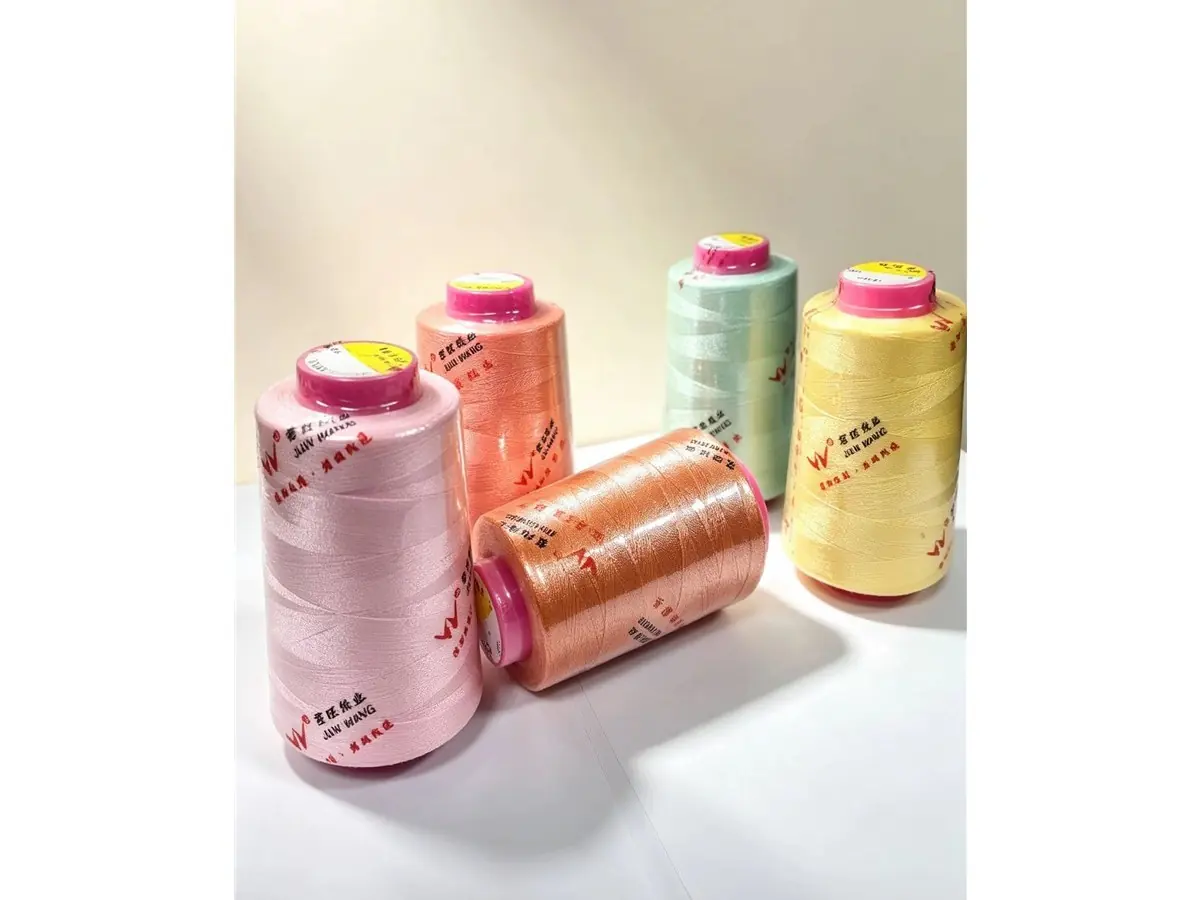
Buyer Decision Table
| Decision area | What to confirm |
|---|---|
| Fabric and seam | Fiber type, weight, stretch, stitch class |
| Machine setup | Needle size, speed, tension, looper or needle position |
| Appearance | Color, luster, seam coverage, visibility |
| Supply format | Cone size, winding, label and carton requirements |
Procurement Steps
- Send fabric swatches and the intended seam description.
- Shortlist thread constructions that fit the machine and end use.
- Run sewing, stretch, wash, and appearance trials on production equipment.
- Freeze the approved sample and written specification before bulk production.
The final selection should be confirmed on the actual material and process. If a technical value, document, minimum quantity, or schedule depends on the final construction, confirm it with the supplier based on the approved specification.
Common Mistakes
- Using one thread specification for woven and stretch products
- Approving color without testing the actual fabric and lighting
- Comparing quotes that use different sizes, finishes, or cone weights
Related Products
- Spun Polyester Sewing Thread
- High-Tenacity Polyester Filament Thread
- Combed Cotton Sewing Thread
- Polyester DTY Stretch Thread
- Nylon High-Stretch Thread
See the complete Product Center, review available customization through Service, or send project details through Contact Us.
Buyer FAQ
What thread works for most woven apparel?
Spun polyester is widely used, but the final size and finish should be tested on the actual fabric and seam.
When should filament polyester be considered?
Consider it for seams that need greater tensile and abrasion performance, such as footwear, luggage, upholstery, or outdoor products.
Can textured thread be used in the needle?
That depends on the thread construction, machine, and stitch. Many textured threads are primarily used in loopers, so confirm the intended position during sampling.
How should a buyer approve thread color?
Use a physical color standard and evaluate the sewn sample on the production fabric under agreed lighting.
Is a universal needle size available?
No. Needle selection depends on thread size, fabric construction, seam, and machine setup.
Request a Quote
For a thread recommendation, submit the fabric type, seam or stitch, machine application, preferred material, color standard, cone format, estimated quantity, packaging needs, destination country, and requested production window.
Submit the specification for review. Junwang will confirm available options against the final requirements rather than publish unverified claims.
Industrial sewing thread purchasing is most reliable when the seam or process, product specification, sample, packaging, and order records all refer to the same approved version.