OEM Sewing Thread Development: From Specification to Bulk Production
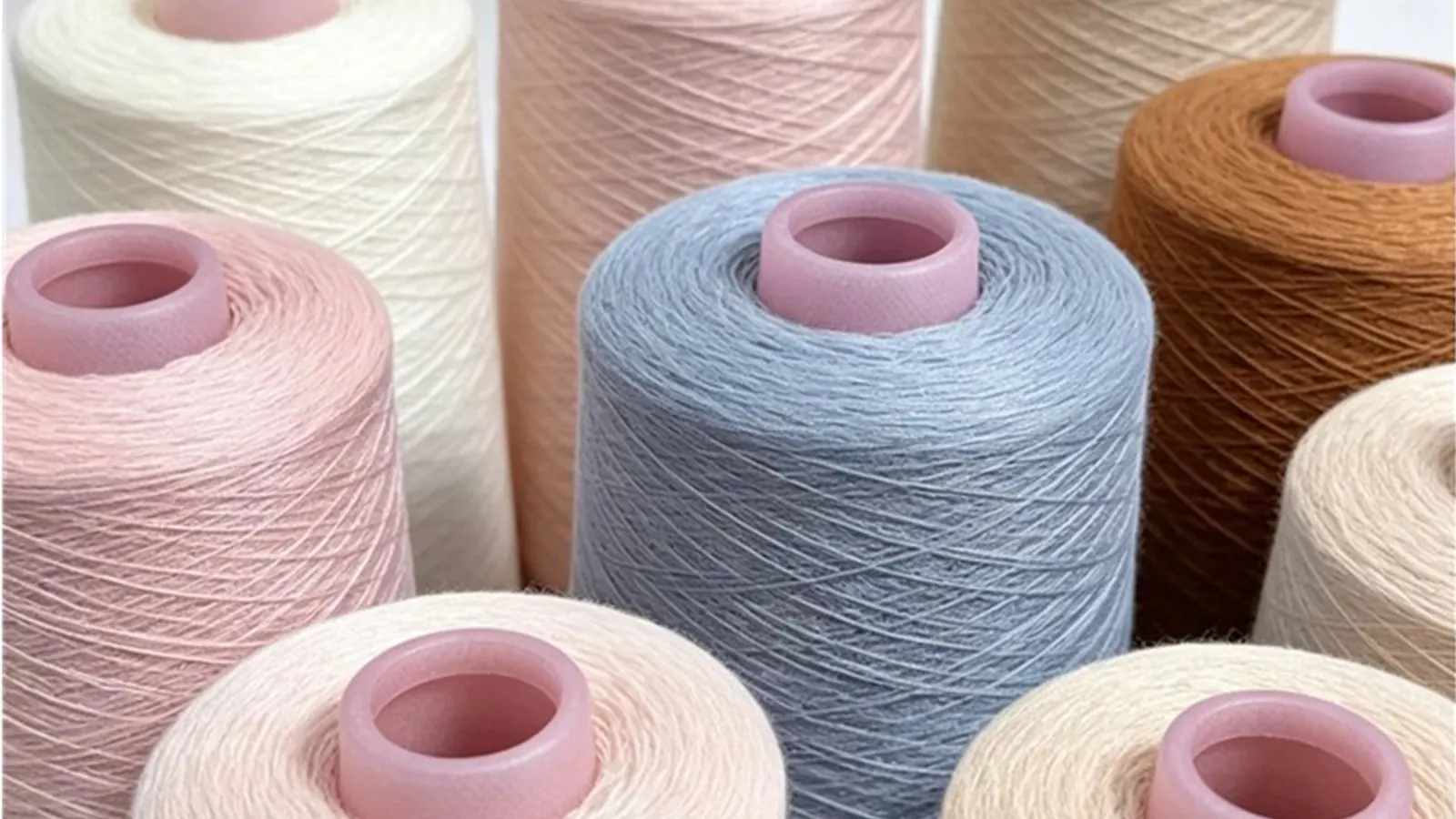
Direct answer: An OEM sewing thread program moves from application requirements to a controlled specification, representative sample, packaging approval, and bulk release.
OEM sewing thread development works when the buyer and supplier convert a commercial idea into measurable product and packaging requirements. Material, construction, size, color, finish, cone, label, carton, inspection, and shipment details should be approved in sequence so later changes do not invalidate earlier samples.
Build the Technical Brief
Describe the fabric, seam, stitch, machine position, end-use exposure, current thread, and performance concern. Add the required fiber and size only when they are already known; otherwise ask for options and identify which claims must be supported by available documents or testing.
Use Samples as Controlled References
Give each sample a unique code and record what it represents. A color dip, sewing trial, and retail-ready cone are different approval stages, so comments should identify the exact issue—shade, winding, seam behavior, logo, barcode, or carton—rather than approve the project with one general message.
Release Bulk Production From One File
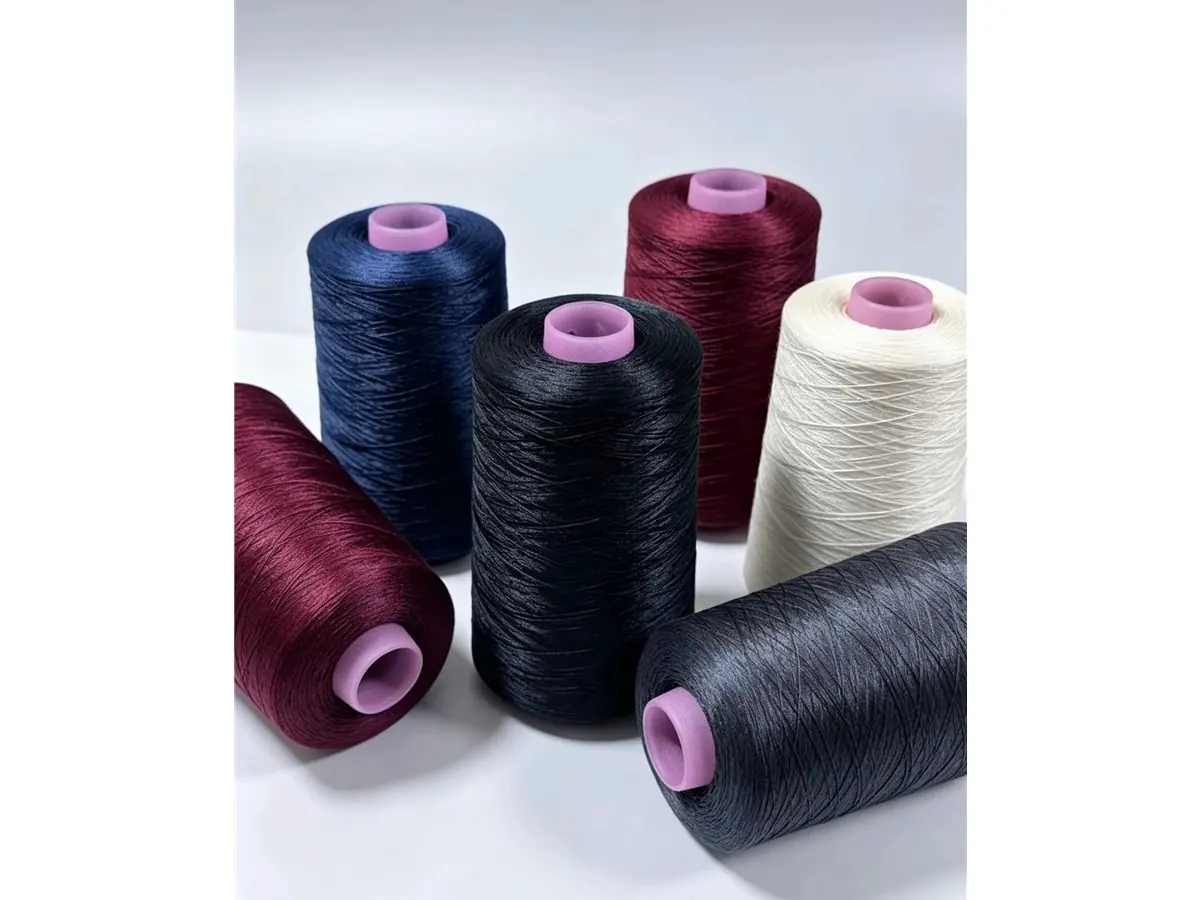
The final specification should identify every SKU and revision plus packing and inspection requirements. Confirm commercial terms and the production window after the file is frozen; changes should be reviewed for material, artwork, cost, timing, and remaining printed stock.
Buyer Decision Table
| Decision area | What to confirm |
|---|---|
| Product | Material, construction, size, finish and color |
| Package | Cone, net quantity, sleeve, label and carton |
| Control | Approved sample, revision and inspection criteria |
| Commercial | SKU quantity, delivery term and destination |
Procurement Steps
- Send an application brief and reference samples.
- Review technical options and initial samples.
- Approve sewn performance, color, and packaging proofs.
- Sign off the final SKU matrix before bulk release.
The final selection should be confirmed on the actual material and process. If a technical value, document, minimum quantity, or schedule depends on the final construction, confirm it with the supplier based on the approved specification.
Common Mistakes
- Starting logo design before the product format is fixed
- Using an unmarked sample as the only approval record
- Changing cone weight without recalculating cartons and labels
Related Products
- Spun Polyester Sewing Thread
- High-Tenacity Polyester Filament Thread
- Combed Cotton Sewing Thread
- Multicolor Space-Dyed Thread
- Polyester DTY Stretch Thread
- Nylon High-Stretch Thread
- Large-Cone Polyester Sewing Thread
- Raw White Greige Polyester Yarn
See the complete Product Center, review available customization through Service, or send project details through Contact Us.
Buyer FAQ
Can Junwang develop a thread from a buyer sample?
A sample can support identification, but final requirements and any measurable acceptance criteria still need confirmation.
Can one OEM program include several materials?
Yes, but each material and construction should have its own SKU and approval record.
When is tooling required?
That depends on the requested cone, package, or process; confirm after technical review.
Can labels include buyer barcodes?
Yes, when valid data and artwork are supplied and the proof is approved.
What controls a repeat order?
The approved specification, current revision, sample reference, and purchase order should control the repeat.
Request a Quote
Start an OEM review with the thread type, material, size, fabric and seam, color references, cone and label concept, quantity by SKU, carton requirements, destination, documents, and requested launch window.
Submit the specification for review. Junwang will confirm available options against the final requirements rather than publish unverified claims.
OEM sewing thread development purchasing is most reliable when the seam or process, product specification, sample, packaging, and order records all refer to the same approved version.