Cotton Sewing Thread for Garment Dyeing and Natural-Fiber Products
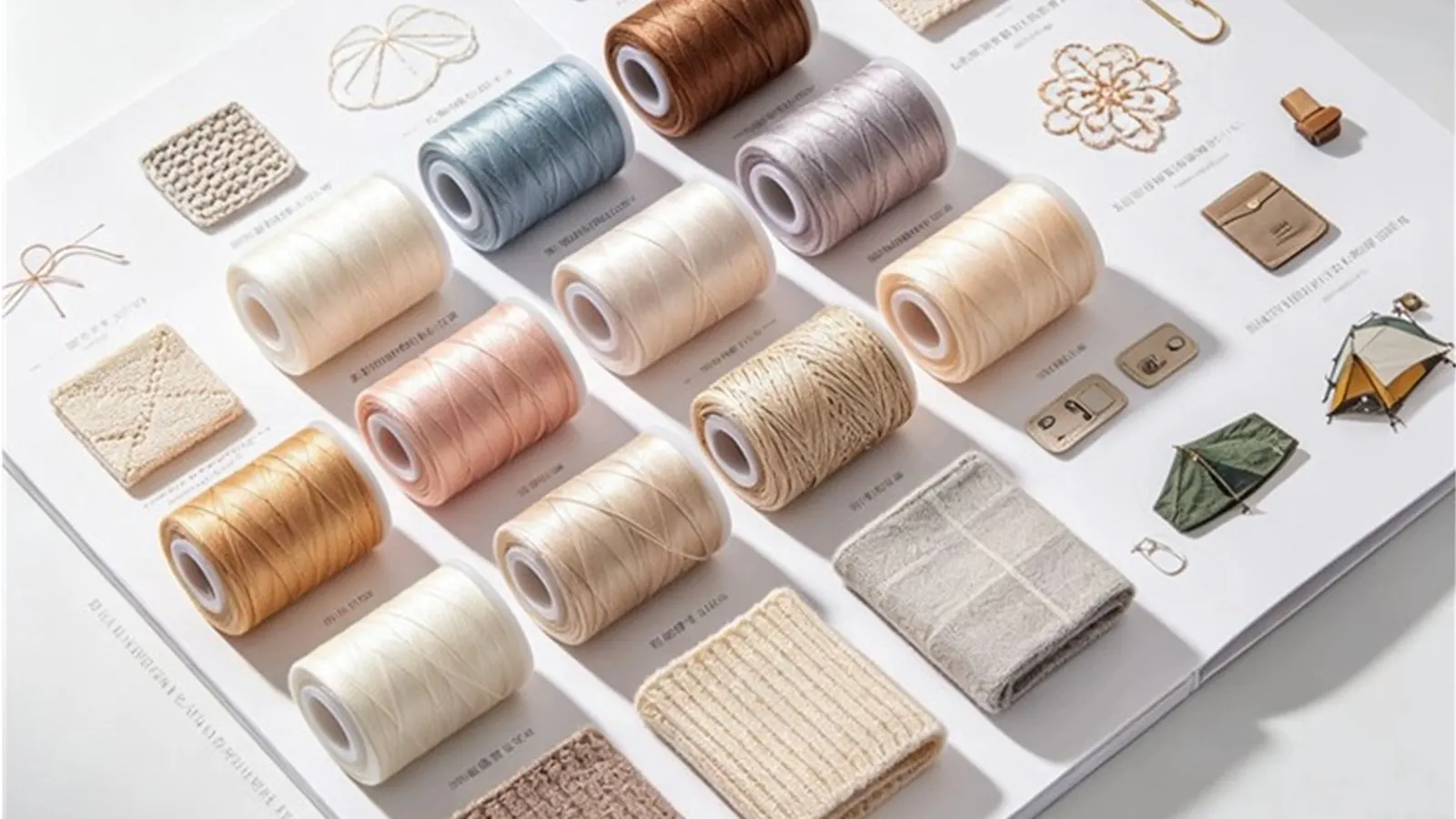
Direct answer: Cotton sewing thread can support garment dyeing and natural-fiber aesthetics when construction, strength, shrinkage, dye response, and seam trials are controlled.
Cotton sewing thread for garment dyeing is chosen when the seam should participate in a cotton dye process or maintain a natural-fiber character. The decision still requires testing because thread construction, pretreatment, shade development, shrinkage, seam stress, and the garment process affect the result.
Why Fiber Compatibility Matters
Polyester thread may retain its original shade during a cotton-directed garment dye process, creating contrast unless that is intentional. Cotton thread can accept compatible dye classes, but the buyer must confirm the actual dye recipe, pretreatment, temperature, auxiliaries, and required shade with production trials.
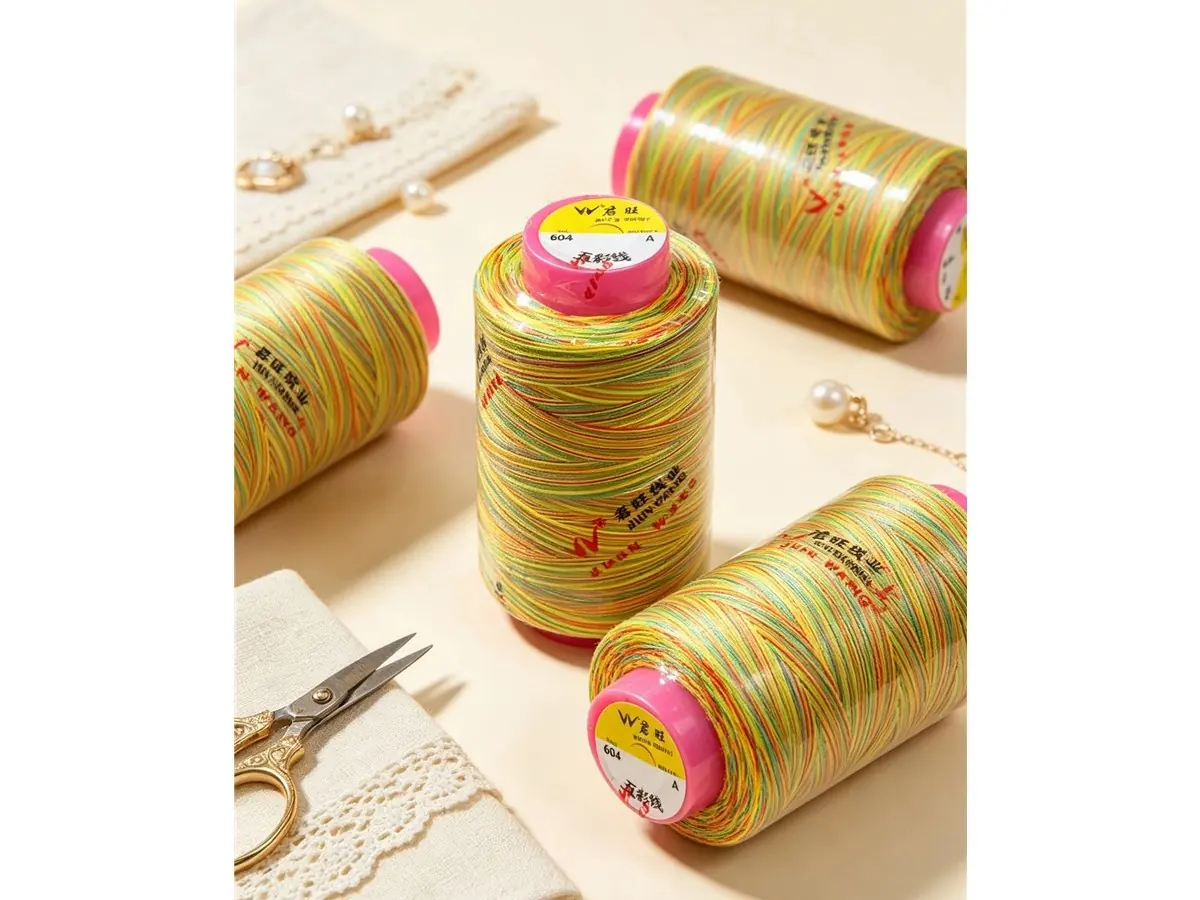
Balance Appearance and Seam Demand
Combed cotton can provide a smooth natural-fiber appearance with reduced short-fiber protrusion compared with less controlled yarn. It does not automatically equal the strength or abrasion behavior of a polyester thread, so seam type, stitch density, thread size, and garment stress should be evaluated.
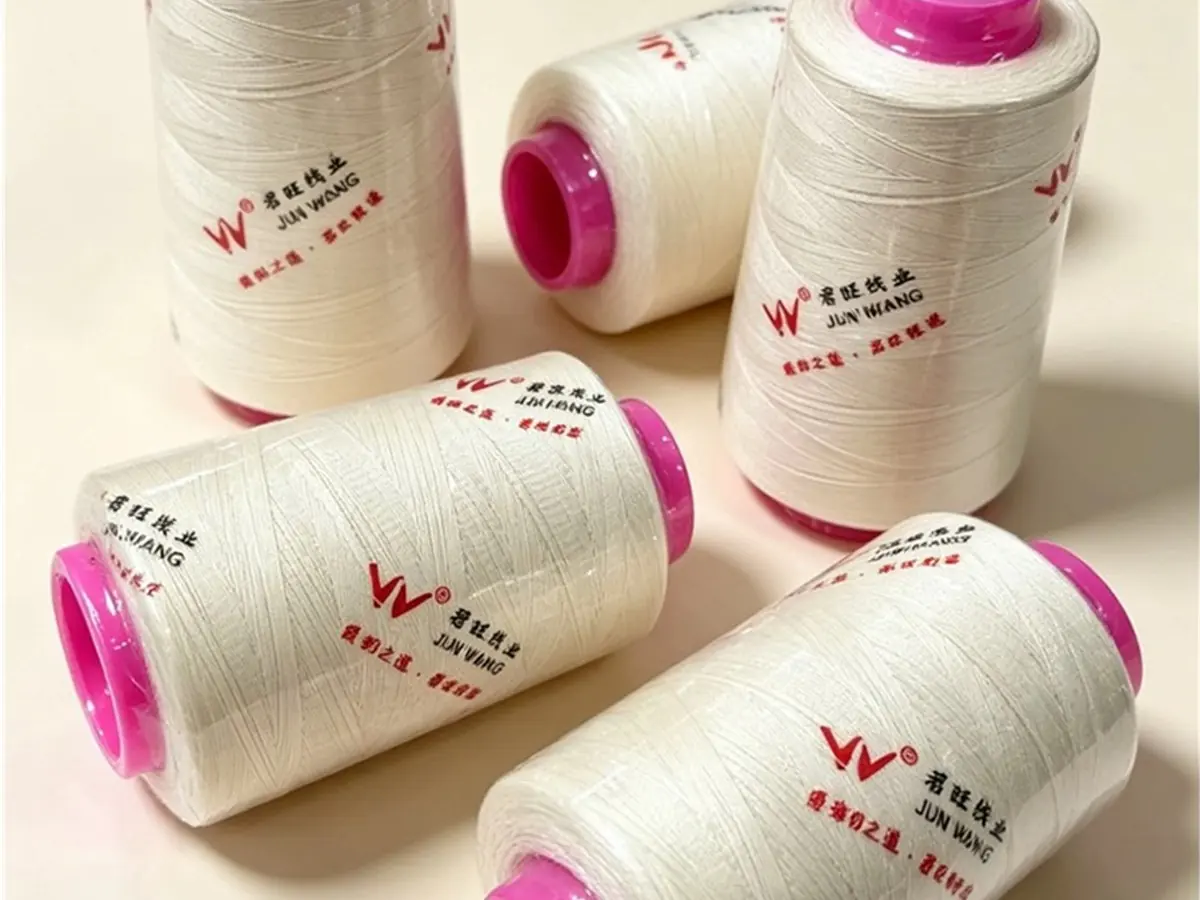
Control Shrinkage and Shade Approval
Assess seam puckering, thread shrinkage, shade variation, crocking or color transfer concerns, and the appearance after finishing. Approve a sewn garment or representative panel rather than an isolated dyed cone whenever the final process can change the result.
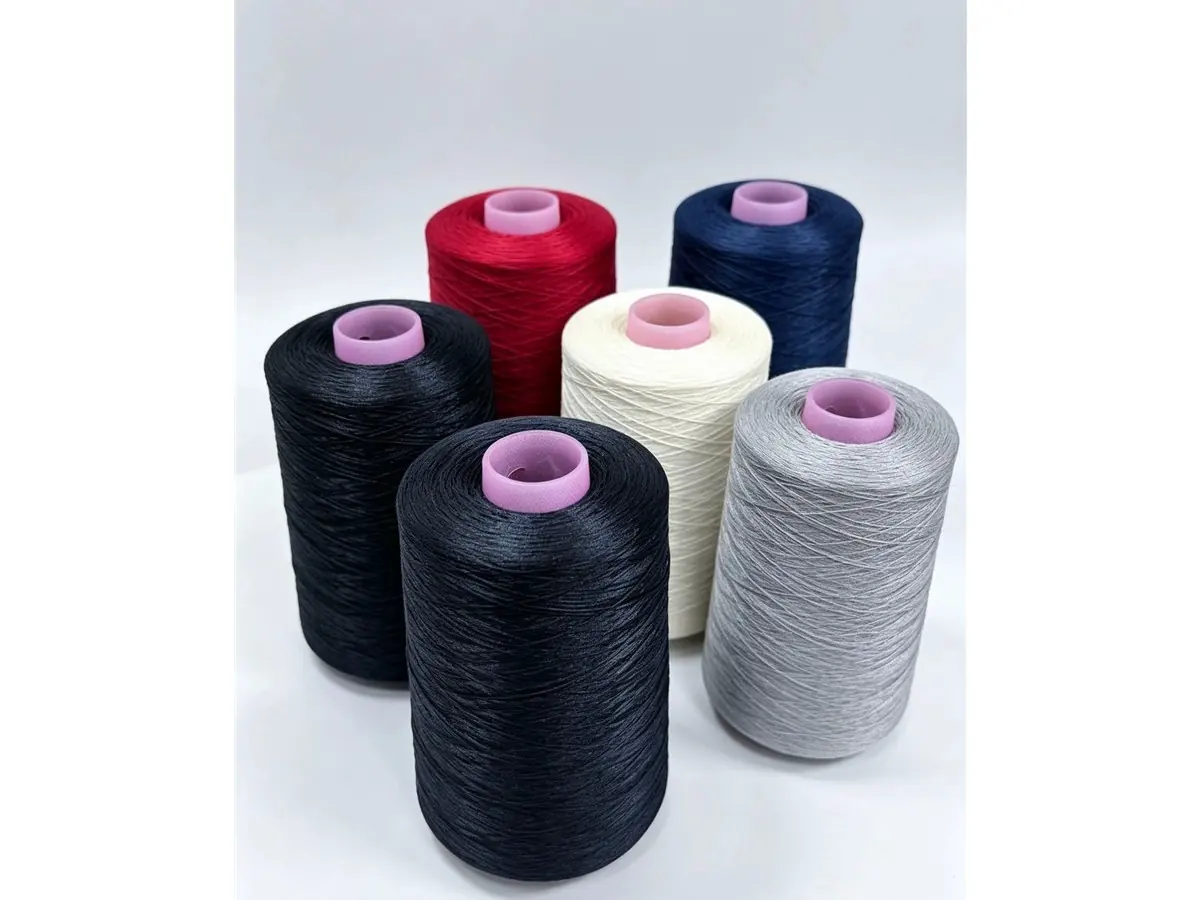
Buyer Decision Table
| Decision area | What to confirm |
|---|---|
| Dye process | Fiber-reactive or other confirmed system and process conditions |
| Seam demand | Load, abrasion, stitch density and thread size |
| Appearance | Natural hand, luster, shade and intentional contrast |
| Post-process result | Shrinkage, puckering and colorfastness requirements |
Procurement Steps
- Provide greige or prepared production fabric.
- Document the dye and finishing process used for approval.
- Sew representative panels or garments with candidate sizes.
- Approve shade, seam appearance, and performance after processing.
The final selection should be confirmed on the actual material and process. If a technical value, document, minimum quantity, or schedule depends on the final construction, confirm it with the supplier based on the approved specification.
Common Mistakes
- Assuming every cotton thread will match every cotton fabric
- Approving color before garment dyeing and finishing
- Replacing polyester with cotton without checking seam strength
Related Products
See the complete Product Center, review available customization through Service, or send project details through Contact Us.
Buyer FAQ
Will cotton thread dye exactly like the fabric?
Not automatically. Fiber origin, preparation, construction, and process conditions can produce a different shade.
Can cotton thread be used on high-speed machines?
It may be suitable with the correct size, finish, needle, tension, and machine conditions; run a production trial.
What does combed cotton mean?
Combing removes shorter fibers and aligns remaining fibers before spinning, supporting a smoother yarn surface.
Is cotton thread limited to garment dyeing?
No. It is also used where natural-fiber appearance, sewing behavior, or product positioning calls for cotton.
Should shrinkage be specified?
If dimensional change matters, agree on a test method and acceptance requirement for the final construction.
Request a Quote
For a cotton-thread trial, provide the fabric, garment dye or finishing process, seam application, thread size, shade objective, performance requirements, cone format, estimated quantity, packaging, destination, and target approval date.
Submit the specification for review. Junwang will confirm available options against the final requirements rather than publish unverified claims.
Cotton sewing thread for garment dyeing purchasing is most reliable when the seam or process, product specification, sample, packaging, and order records all refer to the same approved version.