How to Prepare a Sewing Thread Color Matching Request
Direct answer: A reliable color request defines the physical standard, substrate, fiber, lighting, tolerance method, finish, approval steps, and production reference.
Sewing thread color matching is more reliable when the buyer supplies a stable physical standard and the actual fabric. Screen images, camera files, and verbal color names cannot account for lighting, gloss, texture, fiber, or surrounding colors, so they should not be the controlling reference for bulk approval.
Choose a Controlling Standard
Provide an unsoiled fabric cutting, thread card, or recognized color reference with the code and edition clearly identified. State which side, area, and condition controls, and keep a duplicate standard because dyed fabric can vary across lots or finishing processes.
Match the Correct Fiber and Surface
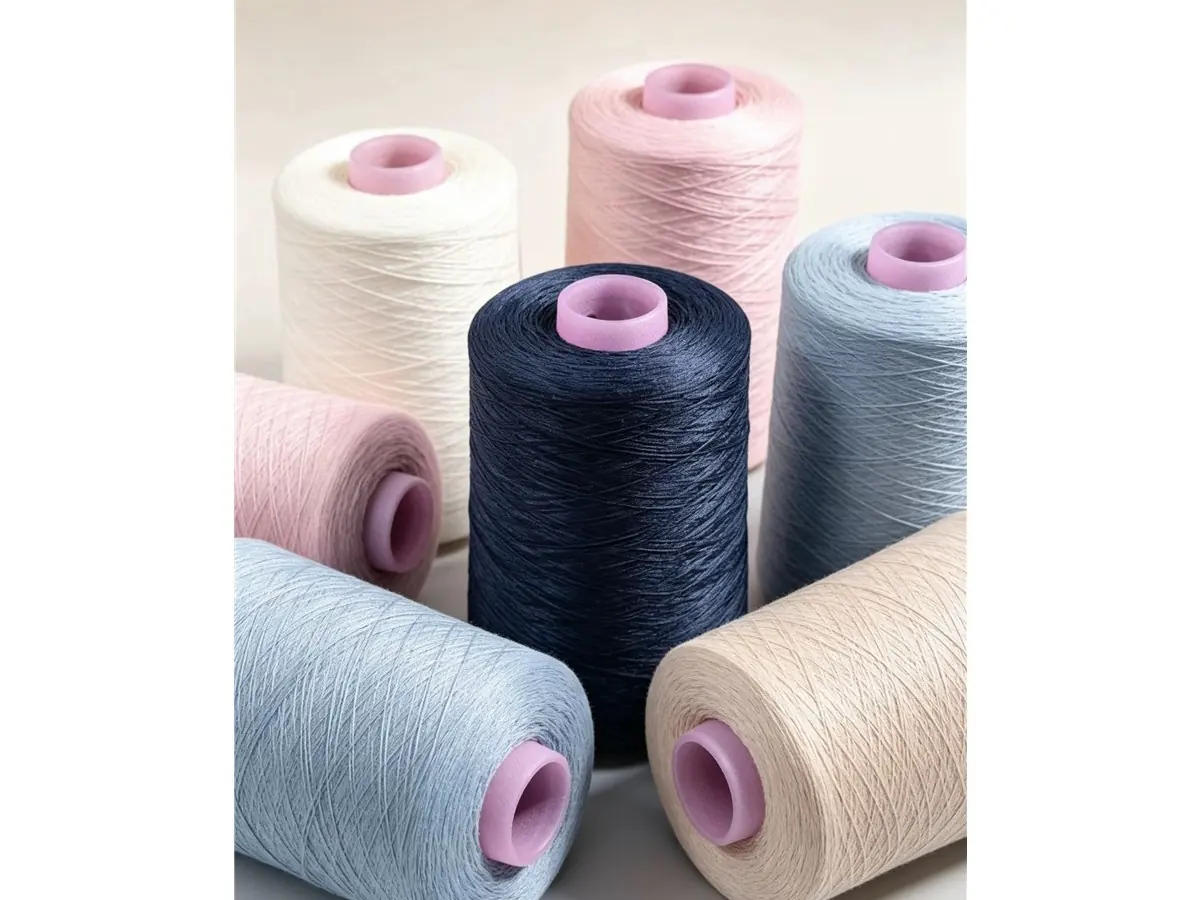
Polyester, nylon, cotton, and PVA do not necessarily produce the same visual response from the same target. Thread twist, luster, bulk, and winding direction also affect perception; evaluate the candidate both on the cone and sewn into the final material.
Define Approval and Production Control
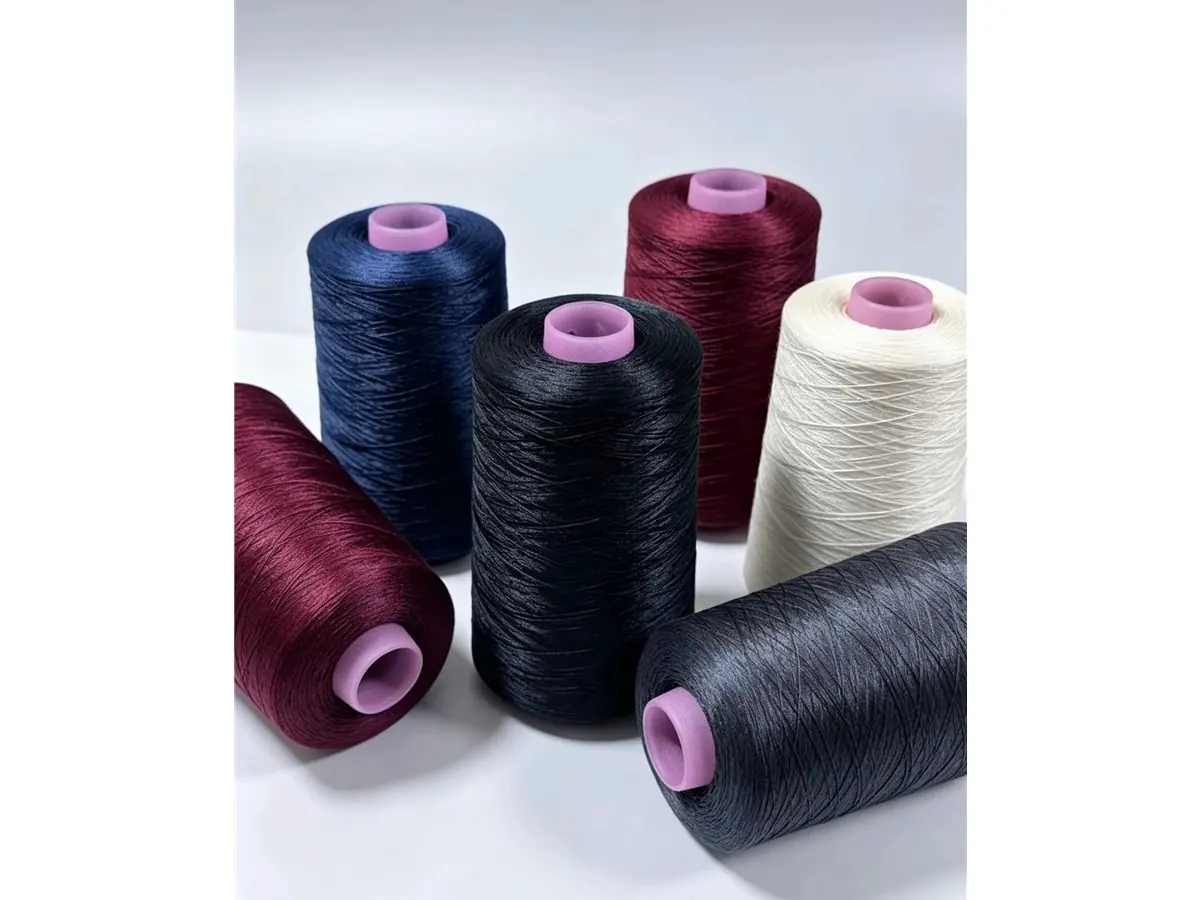
Name the viewing conditions and, when instrumental tolerance is used, identify the method and who owns the decision. Mark the approved sample, then agree how production lots will be compared and how any borderline result will be communicated before shipment.
Buyer Decision Table
| Decision area | What to confirm |
|---|---|
| Reference | Physical standard, code, edition and controlling area |
| Context | Production fabric, seam, stitch and surrounding colors |
| Viewing | Agreed light sources and visual or instrumental method |
| Production | Approved sample and lot-comparison process |
Procurement Steps
- Send two protected copies of the controlling standard when possible.
- State thread fiber, construction, finish, and quantity.
- Review a sewn sample under agreed lighting.
- Sign and retain the approved reference for bulk comparison.
The final selection should be confirmed on the actual material and process. If a technical value, document, minimum quantity, or schedule depends on the final construction, confirm it with the supplier based on the approved specification.
Common Mistakes
- Approving color from a phone screen
- Matching a polyester sample for a final nylon or cotton order
- Ignoring fabric lot and garment finishing variation
Related Products
- Spun Polyester Sewing Thread
- High-Tenacity Polyester Filament Thread
- Combed Cotton Sewing Thread
- Multicolor Space-Dyed Thread
- Polyester DTY Stretch Thread
- Nylon High-Stretch Thread
See the complete Product Center, review available customization through Service, or send project details through Contact Us.
Buyer FAQ
Can a Pantone reference be used?
It can be a target when the specific system and code are supplied, but sewn appearance on the actual fabric should still be reviewed.
Why does cone color look different from a sewn seam?
Thread orientation, density, luster, background, and lighting change visual perception.
Can a digital photo confirm shade?
Photos help communication but are not a controlled color standard.
Should fluorescent colors be handled differently?
Special colors may require additional viewing and process discussion; confirm the evaluation method.
Can one approval cover different fibers?
Separate approval is recommended because fiber and surface construction affect color appearance.
Request a Quote
For color development, send the physical color standard, production fabric, thread material and size, seam application, lighting or tolerance requirements, quantity by shade, cone format, packaging, destination, and approval deadline.
Submit the specification for review. Junwang will confirm available options against the final requirements rather than publish unverified claims.
Sewing thread color matching purchasing is most reliable when the seam or process, product specification, sample, packaging, and order records all refer to the same approved version.